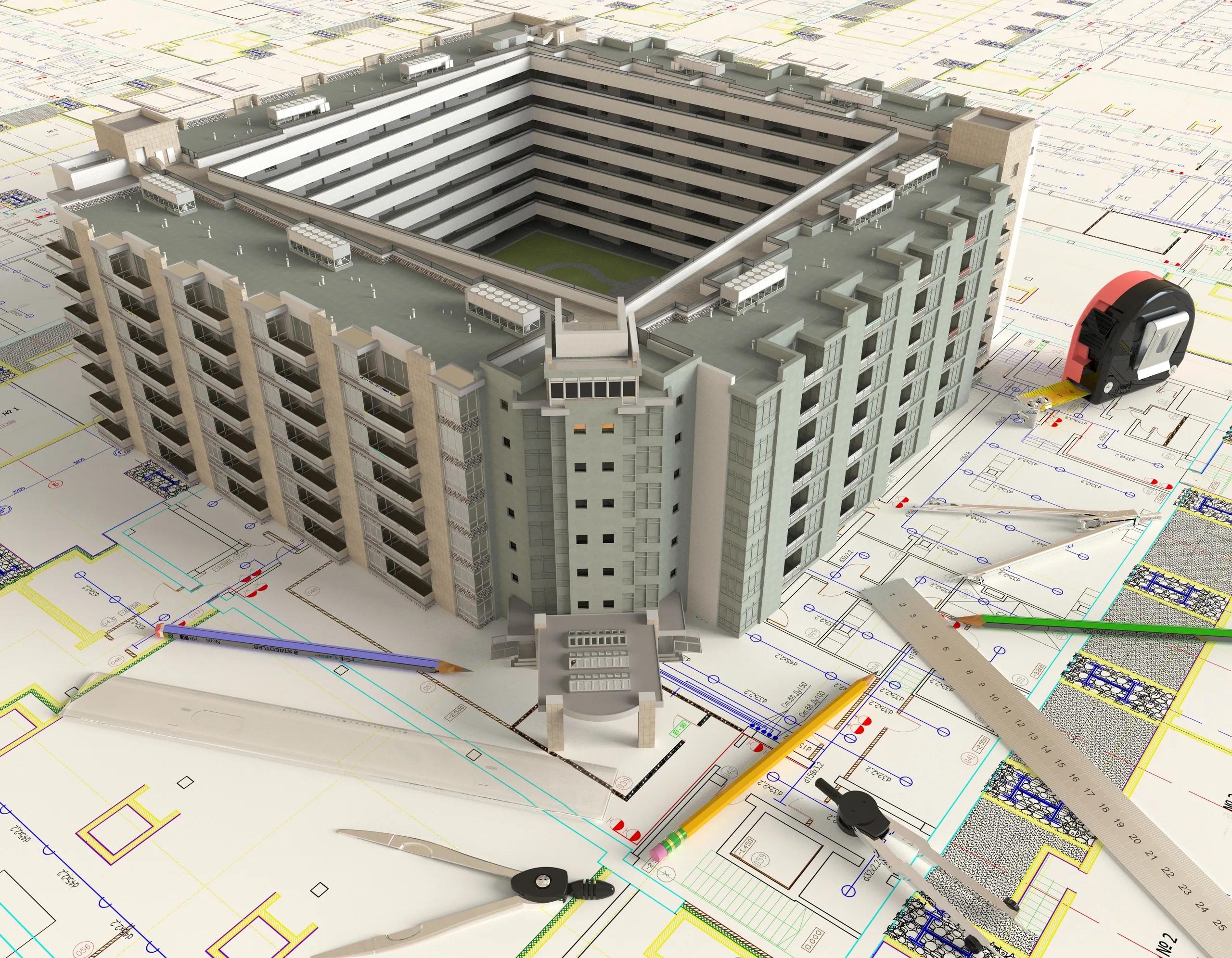
The Architecture, Engineering, Construction, and Operations (AECO) industry has long relied on paper-based blueprints and static digital drawings to guide projects from conception to completion. While these documents have served as essential references, they fall short in today’s fast-paced, data-driven world. The shift from static blueprints to digital twins marks a significant change in how AECO workflows are managed. Digital twins provide a dynamic, real-time representation of physical assets, enabling more informed decision-making and efficient operations.
The Limitations of Static Blueprints
Traditional blueprints and static digital models have been the backbone of AECO project documentation for decades. They offer detailed visualizations of design intent, structural elements, and spatial layouts. However, these documents are fixed representations that do not account for the evolving conditions of a project or asset over time. Key limitations include:
Lack of Real-Time Data: Static blueprints capture a moment in time and cannot reflect ongoing changes during construction or operation.
Difficulty in Managing Updates: Any modifications to the design or structure require manual updates, which can be time-consuming and prone to error.
Limited Collaboration: Blueprints do not inherently support multi-user interaction or real-time collaboration, leading to potential miscommunication among stakeholders.
Inadequate Integration of Performance Data: Blueprints cannot integrate sensor data, performance metrics, or maintenance records, which are crucial for proactive management.
These limitations have driven the AECO industry to seek more advanced solutions that bridge the gap between design, construction, and operations.
The Emergence of Digital Twins
Digital twins represent a virtual model of a physical asset or system that is continuously updated with real-time data. Unlike static blueprints, digital twins are dynamic and interactive. They integrate data from various sources such as Building Information Modeling (BIM), Internet of Things (IoT) sensors, and operational systems to provide a living model of the asset.
Key Features of Digital Twins
Real-Time Data Integration: Digital twins capture data from sensors installed in physical structures. This data can include temperature, humidity, energy usage, structural strain, and more. As a result, the digital twin reflects the current state of the asset.
Interactive Visualization: Stakeholders can interact with the digital twin to explore different aspects of the asset. They can zoom in on specific components, simulate various scenarios, and visualize potential impacts of changes.
Predictive Analytics: By analyzing historical and real-time data, digital twins can forecast potential issues, such as structural weaknesses or equipment failures. This predictive capability supports proactive maintenance and operational adjustments.
Enhanced Collaboration: Digital twins serve as a shared platform where architects, engineers, contractors, and facility managers can collaborate. All stakeholders have access to the same up-to-date information, which streamlines communication and decision-making.
Transforming AECO Workflows with Digital Twins
The shift from static blueprints to digital twins is transforming AECO workflows in several key areas:
Design and Planning
During the design phase, digital twins allow architects and engineers to simulate building performance under various conditions. By integrating BIM data with environmental and structural analytics, teams can explore different design options and evaluate their long-term impacts. This process helps identify potential design flaws early, reducing costly revisions later in the project lifecycle.
Scenario Simulation: Digital twins enable the testing of different design scenarios. For example, simulating the impact of different materials on thermal performance can guide material selection and design optimization.
Data-Driven Decision-Making: With access to real-time data, designers can make informed decisions that balance aesthetics, functionality, and sustainability. This leads to more resilient and efficient structures.
Construction Management
During construction, digital twins bridge the gap between planning and on-site execution. They provide a real-time overview of the construction process, highlighting progress, potential delays, and areas that require attention.
Progress Monitoring: Digital twins can incorporate data from construction management software and on-site sensors. This allows project managers to monitor progress against the planned timeline and budget.
Quality Control: By comparing the as-built conditions with the digital twin model, construction teams can identify discrepancies and ensure quality standards are met.
Risk Mitigation: Real-time insights enable quick responses to issues such as structural misalignments or safety hazards. Early detection reduces the risk of costly rework and delays.
Operations and Maintenance
Once construction is complete, digital twins continue to play a crucial role in the operation and maintenance of assets. Facilities managers benefit from a comprehensive view of building performance, enabling proactive management of systems and infrastructure.
Predictive Maintenance: By continuously monitoring the performance of building systems, digital twins help identify potential failures before they occur. This approach reduces downtime and extends the lifespan of assets.
Energy Optimization: Digital twins can analyze energy usage patterns and recommend adjustments to improve efficiency. This leads to cost savings and supports sustainability initiatives.
Facility Management: Digital twins provide detailed information about building components, including maintenance history and performance metrics. This data supports more effective facility management and long-term asset planning.
Technical Integration: Bringing Digital Twins to Life
The successful implementation of digital twins in the AECO industry relies on the integration of several technologies:
Building Information Modeling (BIM)
BIM is a digital representation of the physical and functional characteristics of a facility. It serves as the foundation for creating digital twins by providing detailed 3D models and data about building components. BIM data is enriched with additional layers of information from sensors and operational systems, making the digital twin a comprehensive model of the asset.
Internet of Things (IoT) Sensors
IoT sensors are the backbone of real-time data collection for digital twins. These sensors capture a wide range of data points, such as environmental conditions, structural stress, and energy consumption. The continuous flow of data ensures that the digital twin remains an accurate representation of the physical asset.
Data Analytics and Machine Learning
Advanced analytics and machine learning algorithms process the vast amounts of data collected by digital twins. These tools help identify patterns, predict potential issues, and provide actionable insights. For example, machine learning can forecast when a piece of equipment is likely to fail, allowing maintenance teams to intervene before a breakdown occurs.
Cloud Computing and Edge Processing
Digital twins generate and process large volumes of data, which requires robust computing infrastructure. Cloud computing provides the necessary storage and processing power, while edge processing enables faster data analysis by processing information closer to the source. This combination ensures that digital twins deliver timely insights for decision-making.
Benefits for Decision-Making
Digital twins offer several advantages over static blueprints when it comes to decision-making:
Real-Time Insights: Decision-makers have access to current data on building performance, enabling them to address issues as they arise.
Enhanced Collaboration: A single, unified digital model ensures that all stakeholders are working with the same information, reducing misunderstandings and errors.
Improved Forecasting: Predictive analytics help identify potential issues before they become critical, supporting proactive maintenance and reducing operational risks.
Cost Savings: Early detection of problems and efficient management of building systems lead to lower operational costs and reduced downtime.
Sustainability: Data-driven insights enable more efficient energy use and resource management, supporting sustainability goals.
Challenges and Future Directions
While digital twins offer significant benefits, their adoption in the AECO industry comes with challenges:
Data Integration: Combining data from multiple sources, including BIM, IoT sensors, and operational systems, can be complex. Standardized data formats and robust integration platforms are essential.
Cybersecurity: The increased connectivity of digital twins introduces cybersecurity risks. Protecting sensitive data and ensuring the integrity of the digital twin model are critical.
Skill Gaps: The shift to digital twin technology requires new skills in data analytics, IoT management, and advanced modeling. Training and development programs are necessary to build the required expertise.
Cost of Implementation: Initial setup costs for digital twin systems can be high. However, long-term benefits in efficiency, cost savings, and decision-making often justify the investment.
Looking ahead, the integration of augmented reality (AR) and virtual reality (VR) with digital twins could further transform AECO workflows. These technologies can provide immersive visualizations of digital twins, making it even easier for stakeholders to interact with and understand the data. As technology evolves, digital twins will likely become even more sophisticated, offering deeper insights and more precise control over physical assets.
Conclusion
The transition from static blueprints to digital twins is reshaping the AECO industry. Digital twins offer a dynamic, real-time view of physical assets that enhances design, construction, and operational workflows. By integrating data from BIM, IoT sensors, and advanced analytics, digital twins provide actionable insights that support proactive decision-making and improve overall project outcomes.
This technological shift not only addresses the limitations of traditional blueprints but also opens new opportunities for collaboration, efficiency, and sustainability. As the AECO industry continues to evolve, digital twins will play a critical role in driving innovation and ensuring that assets are managed effectively throughout their lifecycle. Embracing this change is essential for staying competitive in an increasingly data-driven world.