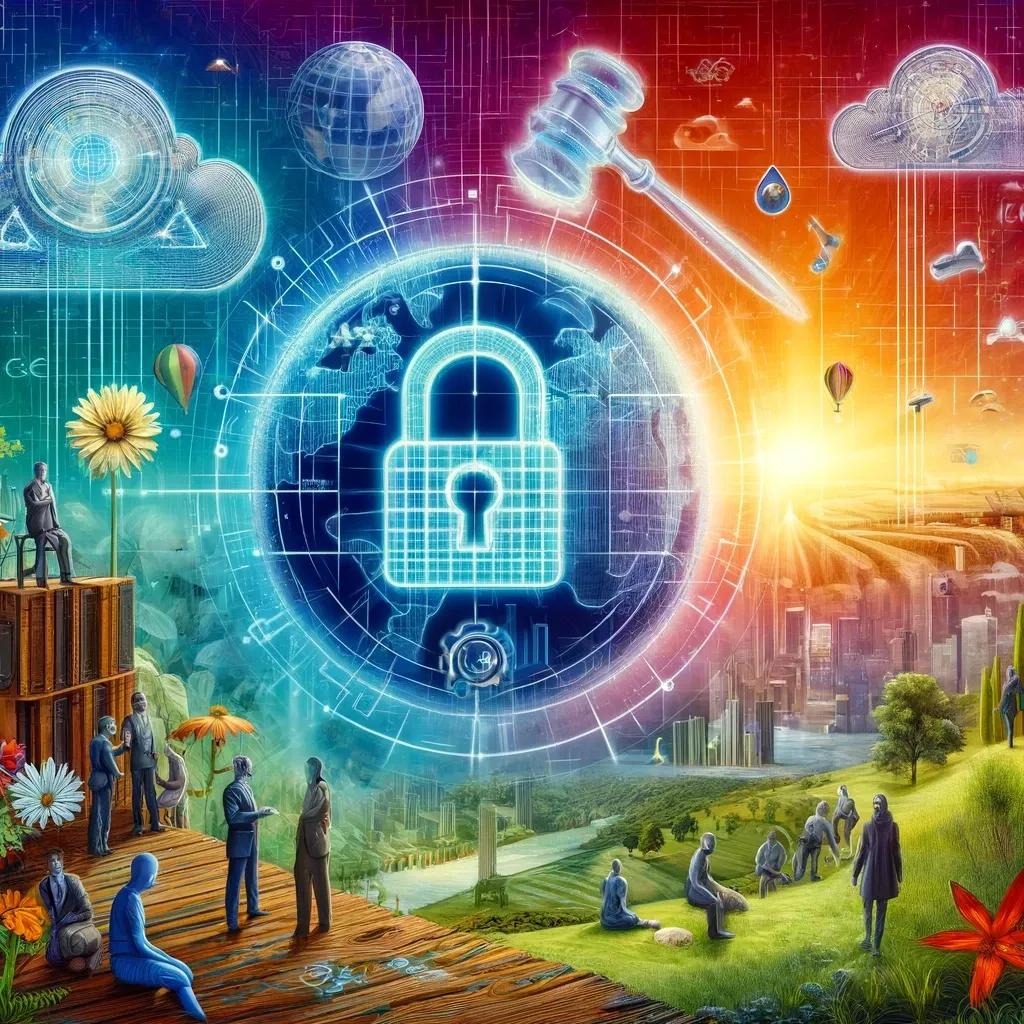
Digital Twins, a marvel of modern technology, represent virtual replicas of physical entities, systems, or processes. These virtual models, which are continuously updated with data from their physical counterparts, enable real-time simulations, analysis, and optimization. Industries ranging from manufacturing to healthcare and urban planning have begun to harness the power of Digital Twins to predict future conditions, optimize operations, and improve decision-making processes. However, as with any advanced technology, the adoption of Digital Twins raises several ethical considerations that must be addressed to ensure their responsible and beneficial use.
Privacy and Data Protection
One of the foremost ethical concerns surrounding Digital Twins is the issue of privacy and data protection. Digital Twins often require the collection, processing, and storage of vast amounts of data, some of which may be highly sensitive or personal. In healthcare, for example, a Digital Twin of a patient might include detailed medical histories, genetic information, and real-time health data. Without stringent data protection measures, there is a risk of unauthorized access and misuse of this information, potentially leading to privacy violations and discrimination.
Ensuring the security of the data involved in Digital Twins is paramount. Organizations must adopt robust data protection protocols and comply with relevant data protection regulations, such as the Digital Personal Data Protection Act in India or the General Data Protection Regulation in the European Union. Furthermore, transparency regarding data collection, usage, and storage policies can help build trust and reassure individuals about the safety of their information.
Intellectual Property and Ownership Issues
Digital Twins also pose complex questions regarding intellectual property (IP) and ownership. The creation of a Digital Twin involves various components—software, algorithms, data, and the physical entity itself. Determining who owns the Digital Twin and the data it generates can be challenging, especially when multiple stakeholders are involved. For instance, does the manufacturer of a machine own the Digital Twin, or does ownership belong to the customer who uses the machine and generates the data?
Clarifying IP rights and ownership early in the development process is crucial to avoid disputes and ensure that all parties benefit fairly from the technology. Agreements should specify the rights to use, modify, and distribute the Digital Twin and the data it generates. Additionally, considering licensing models could provide a flexible framework for the sharing and utilization of Digital Twins across different stakeholders.
Ethical Use and Misuse
The potential misuse of Digital Twins for unethical purposes presents another significant concern. For instance, in the realm of cybersecurity, attackers could exploit Digital Twins to simulate and plan attacks on physical systems, leading to security breaches, sabotage, or even physical harm. Similarly, in the context of employment, companies could use Digital Twins to monitor and analyze employee behavior excessively, raising issues of surveillance and autonomy.
To mitigate these risks, it is essential to establish ethical guidelines and regulations governing the use of Digital Twins. These guidelines should emphasize the importance of consent, respect for individual autonomy, and the prohibition of exploitative practices. Additionally, incorporating ethical considerations into the design and development of Digital Twins—such as privacy by design and ethical AI principles—can help ensure their responsible use.
Social and Environmental Impacts
Finally, the widespread adoption of Digital Twins may have significant social and environmental impacts. On one hand, Digital Twins can contribute to sustainability by optimizing resource use and reducing waste. On the other hand, there are concerns about the digital divide and unequal access to the benefits of this technology. As Digital Twins become increasingly integrated into various sectors, there is a risk that they may exacerbate existing inequalities, privileging those with access to the necessary technologies and skills.
Addressing these social and environmental considerations requires a holistic approach. Policies and initiatives to promote digital literacy and ensure equitable access to Digital Twins are vital. Moreover, sustainability should be a key consideration in the design and implementation of Digital Twins, aiming to minimize their environmental footprint and maximize their contribution to sustainable development goals.
In conclusion, the advent of Digital Twins offers immense possibilities for innovation, optimization, and efficiency across numerous sectors. However, as with any transformative technology, it is imperative to navigate the ethical terrain with care. Addressing concerns related to privacy, intellectual property, ethical use, and social and environmental impacts is essential for the responsible development and deployment of Digital Twins. By fostering an ethical framework that emphasizes security, fairness, and sustainability, we can harness the full potential of Digital Twins while safeguarding against their risks and challenges. In doing so, we pave the way for a future where technology serves the greater good, enhancing our capabilities without compromising our values.