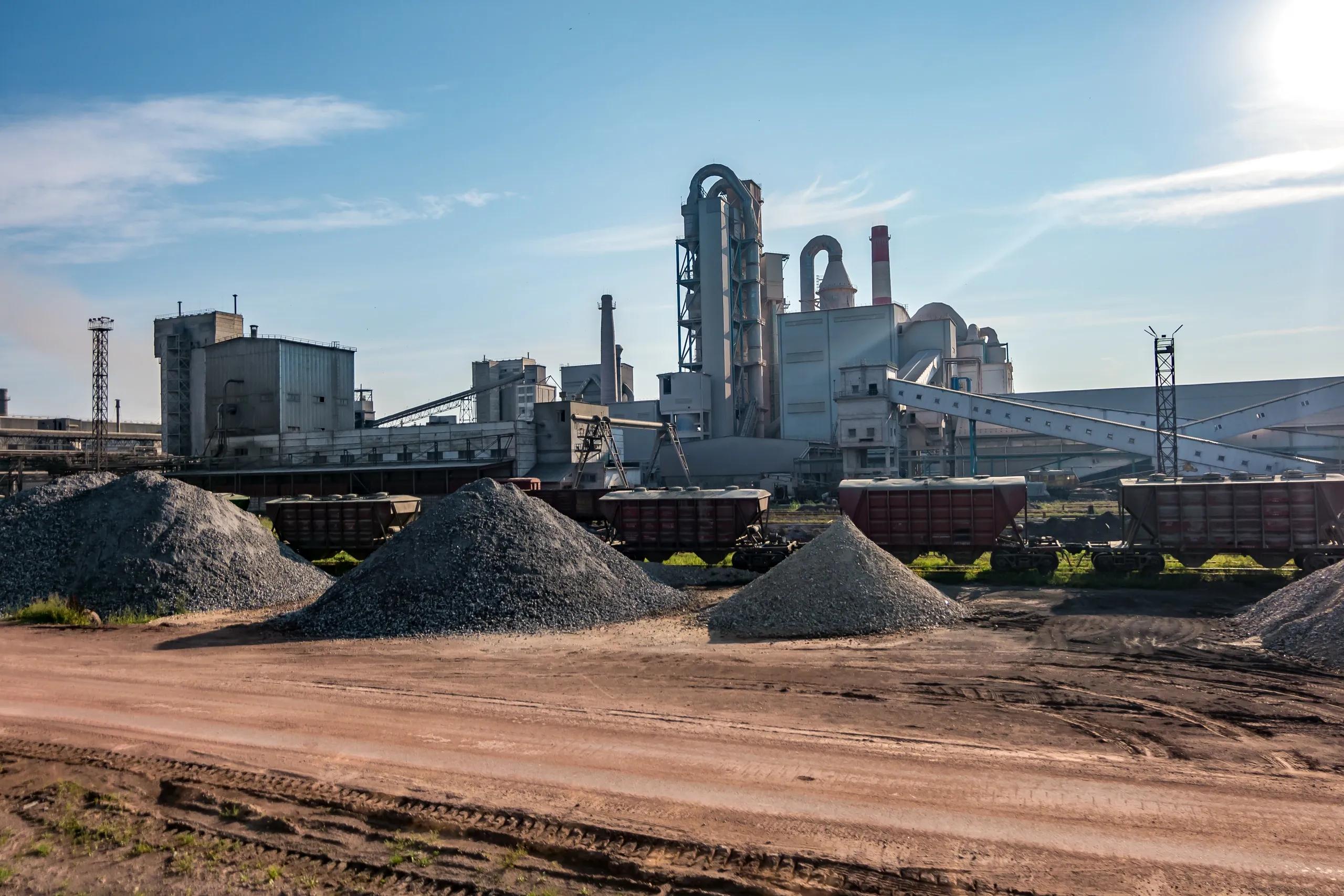
Heavy industries, such as steel, cement, mining, and large-scale manufacturing, are among the most resource-intensive sectors in the global economy. They account for a significant share of raw material extraction, energy consumption, and industrial emissions. As industries face growing regulatory and market pressure to reduce environmental impacts, circular economy models are gaining traction. These models emphasize resource efficiency, material recovery, and product life extension.
To operationalize circularity in heavy industry, emerging technologies are playing a critical role. Among them, Unmanned Aerial Vehicles (UAVs) and Building Information Modeling (BIM) stand out as powerful enablers. This article explores how UAVs and BIM contribute to circular transformation in heavy industry by enhancing asset lifecycle management, enabling smarter design, and optimizing deconstruction, reuse, and recycling processes.
Understanding Circularity in Heavy Industry
In the context of heavy industry, circular economy strategies focus on:
Material Efficiency : Minimizing material waste during production and construction.
Asset Lifecycle Optimization : Extending the operational life of facilities and machinery.
Resource Recovery : Facilitating deconstruction, dismantling, and material reuse.
Digital Tracking : Ensuring traceability of components for refurbishment or recycling.
However, the scale and complexity of heavy industrial operations present challenges in implementing these strategies. Physical inspections are time-consuming and unsafe in many environments. Infrastructure and assets are often spread over vast areas. There is also a lack of digital records and standardized methods to track materials across the asset lifecycle.
This is where UAVs and BIM come into play.
The Role of UAVs in Supporting Circular Practices
Unmanned Aerial Vehicles (drones) are increasingly being used for surveying, inspection, and data collection across industrial environments. Their ability to capture high-resolution images, 3D point clouds, and thermal data from inaccessible or hazardous areas makes them highly valuable for circular workflows.
1. Construction and Site Monitoring
In heavy industry projects, such as the construction of steel plants, cement factories, or power stations, UAVs can:
Monitor material flow and minimize onsite waste.
Capture real-time progress for comparison against BIM models.
Track inventory and material usage across different locations.
By integrating drone-captured data with construction planning models, organizations can identify material inefficiencies early and adjust sourcing or usage accordingly.
2. Structural and Equipment Inspections
Post-construction, UAVs enable efficient and frequent inspections of industrial assets such as:
Steel frameworks
Storage silos
Kilns and chimneys
Conveyor systems
These inspections generate geotagged data that helps assess structural degradation, allowing for timely maintenance , which extends the asset's usable life, an important pillar of circularity.
3. Deconstruction Planning
When an industrial site reaches end-of-life, UAVs assist in:
Mapping the site for deconstruction sequencing.
Creating accurate 3D models of salvageable components.
Identifying reusable structural elements or recyclable materials.
This supports circular practices such as component reuse, offsite refurbishment, and optimized material recovery, minimizing waste to landfill.
The Role of BIM in Circular Industrial Asset Management
Building Information Modeling (BIM) is a digital process for designing, documenting, and managing infrastructure assets. In heavy industry, BIM is not limited to buildings, it extends to factories, plants, and complex production systems. When applied through a circular lens, BIM enables:
1. Circular-Aware Design
By integrating material data, lifecycle analysis, and disassembly strategies into the design phase, BIM allows for:
Specification of reusable materials
Designing for modularity and ease of deconstruction
Lifecycle cost estimation and carbon footprint modeling
Design teams can simulate circular outcomes and compare different configurations, supporting better decision-making early in the project.
2. Centralized Digital Records for Traceability
BIM provides a centralized repository for:
Material specifications
Component manufacturer details
Assembly methods
Operational and maintenance history
This data becomes critical during asset refurbishment, retrofitting, or deconstruction. For instance, if a section of a steel plant is being demolished, BIM records can identify which beams are suitable for reuse or resale.
3. Integration with Maintenance and IoT Systems
When BIM models are linked with real-time data from IoT sensors and UAV inspections, asset managers can:
Monitor performance and degradation
Trigger predictive maintenance
Reduce unnecessary replacements
This extends the operational lifespan of machinery and structures, contributing directly to circularity and reducing the demand for new materials.
UAV-BIM Integration: A Powerful Combination
The real value emerges when UAVs and BIM are integrated into a unified workflow:
UAVs capture real-world site conditions (as-is data) via photogrammetry or LiDAR.
The data is processed into 3D point clouds and imported into the BIM environment.
BIM tools analyze deviations, track lifecycle stages, and guide reuse or maintenance actions.
For example, a mining facility undergoing partial decommissioning can deploy UAVs to map the structure, use BIM to simulate disassembly, and categorize components for reuse or recycling, all without manual inspection or guesswork.
This integration also supports digital twin development , a real-time model of the physical asset, enhancing circular strategies through dynamic simulation, decision support, and performance optimization.
Industry Applications and Case Scenarios
Steel Manufacturing Plant Retrofitting
A steel manufacturer planning to upgrade part of its plant can use UAVs for aerial inspections of support structures and roofing systems. BIM models overlaid with UAV data help determine which sections require replacement versus refurbishment. Circular design principles guide the use of modular elements to reduce waste and simplify future maintenance.
Cement Plant Deconstruction and Material Recovery
At the end-of-life stage, a cement plant uses drones to map the site and identify recoverable components like steel reinforcement, ducting, or machinery. BIM models assist in creating a disassembly plan that ensures safe deconstruction and material separation, facilitating resale or reuse of components.
New Industrial Complex Design
An industrial developer uses BIM to design a new facility with circularity built in, precast concrete walls for easy dismantling, recycled materials for non-load-bearing structures, and component tagging for future traceability. UAVs monitor construction progress, minimize material overuse, and document asset history from day one.
Challenges and Considerations
Despite the benefits, adoption of UAV and BIM for circularity in heavy industry comes with challenges:
Data Integration : Aligning UAV-generated data with BIM formats requires skilled processing and platform compatibility.
Training Needs : Operators and engineers need training in drone operations, BIM authoring, and data analytics.
Regulatory Compliance : UAV operations in industrial zones may require permissions and safety protocols.
Upfront Investment : Building BIM workflows and drone programs needs capital and organizational alignment.
However, the long-term value in operational efficiency, material savings, and compliance makes this investment strategic.
Conclusion
Circularity in heavy industry is both a necessity and an opportunity. With rising material costs, supply chain disruptions, and increasing pressure to decarbonize, industries must rethink how they design, manage, and decommission their assets.
UAVs and BIM offer a high-impact, technology-driven path to operationalize circularity at scale. From real-time inspections to digital deconstruction planning, these tools empower organizations to reduce waste, extend asset life, and recover valuable materials. By integrating these technologies into standard workflows, heavy industry players can lead the transition toward more sustainable, efficient, and resilient operations.