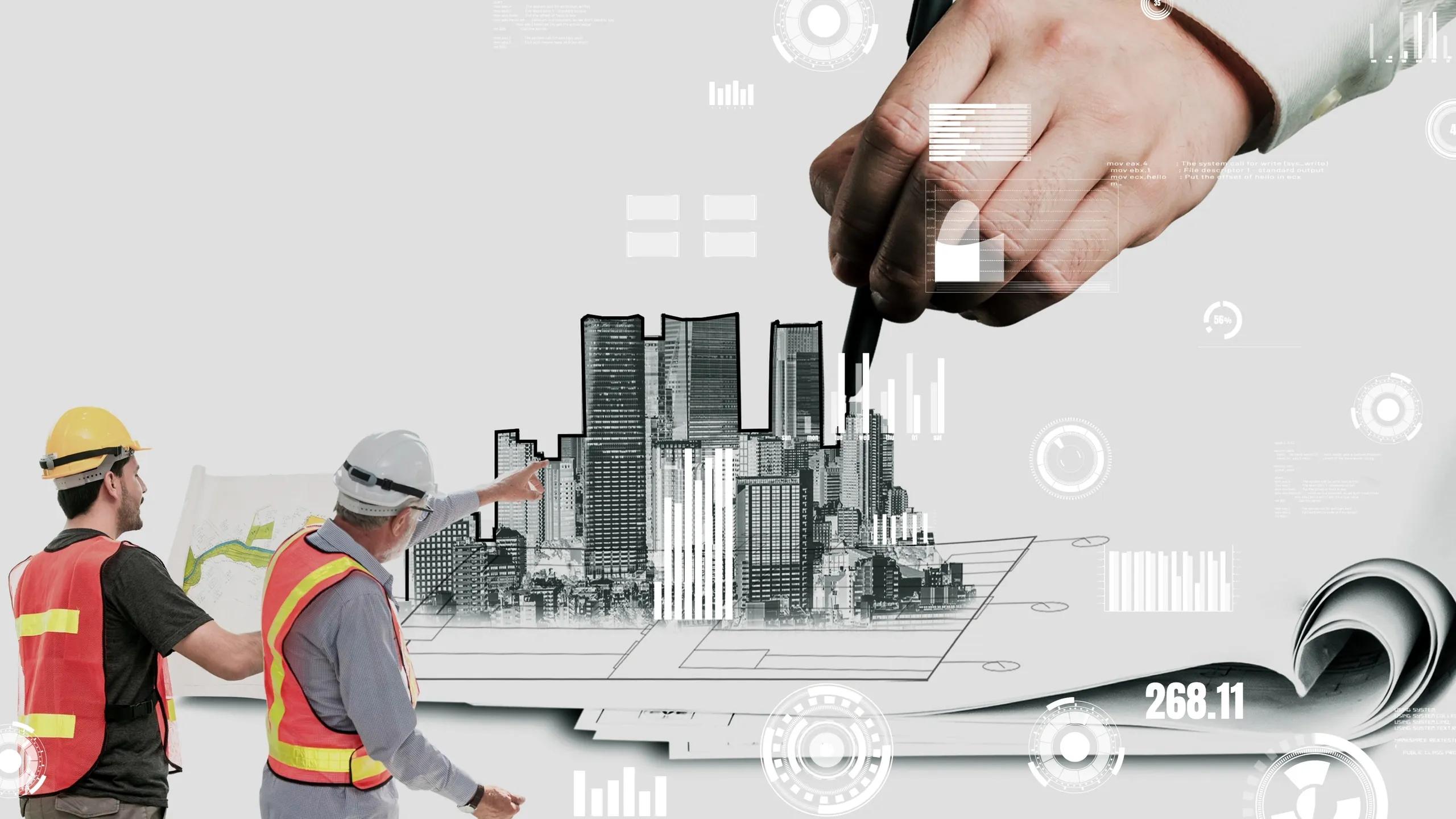
Building Information Modeling (BIM) has transformed the architecture, engineering, and construction (AEC) industry, offering powerful tools that enable organizations to design, plan, and execute projects with unprecedented accuracy. Beyond its technical capabilities, BIM is recognized for delivering substantial economic benefits, reducing project costs, and boosting return on investment (ROI). This article presents an in-depth look at how BIM’s integrated approach to project design, collaboration, and lifecycle management translates into significant cost savings, resource optimization, and efficiency gains.
1. BIM’s Economic Impact on Project Costs
BIM has redefined project planning by facilitating a more accurate, integrated approach to design and construction. Through advanced modeling capabilities, teams can visualize and simulate the entire project before construction begins, identifying potential issues early. This proactive planning reduces the need for costly last-minute changes, prevents delays, and enhances overall project efficiency.
Studies indicate that implementing BIM can reduce project costs by up to 20%, thanks to a decrease in construction errors, streamlined workflows, and improved accuracy in resource estimates. For many AEC companies, these reductions have been essential in keeping projects within budget, minimizing unforeseen expenses, and increasing profitability.
2. Reduced Rework and Error Mitigation
One of the most significant contributors to construction costs is rework, which can account for a large percentage of a project’s expenses. By using BIM, project teams can detect potential conflicts or design flaws in the early stages, allowing them to address these issues before construction begins. This early identification of clashes minimizes errors and reduces rework.
In projects using BIM, rework can be reduced by more than 50%, which translates to considerable cost savings. For example, one study showed that BIM implementation led to a 40% reduction in rework due to its ability to facilitate early clash detection and prevent costly structural adjustments after construction has started. BIM’s ability to address these issues proactively has helped many projects remain on budget and avoid delays, contributing to significant economic advantages.
3. Enhanced Collaboration and Fewer Project Delays
BIM provides a unified platform for collaboration, allowing all stakeholders, architects, engineers, contractors, and clients, to work together in real time. By ensuring that all team members have access to the same information, BIM eliminates the misunderstandings and miscommunications that often lead to costly project delays.
Studies show that ineffective communication accounts for nearly one-third of construction costs due to delays and rework. BIM’s collaborative framework reduces these costs by providing a central repository of project information that can be accessed, modified, and monitored by all stakeholders. As a result, projects using BIM typically experience a 20% reduction in delays, which improves client satisfaction and overall project outcomes.
4. Efficient Resource Allocation and Cost Optimization
Resource allocation is a critical aspect of project management, and BIM enhances this process by providing data-driven insights into material requirements, labor costs, and scheduling. With BIM, project managers can make informed decisions about the best allocation of resources at each stage, minimizing waste and reducing overall project costs.
Data shows that projects using BIM experience a 30% improvement in labor productivity, thanks to optimized scheduling and reduced downtime. This efficiency allows teams to better allocate labor and resources, maximizing productivity and reducing costs. For example, by preventing material over-ordering and minimizing waste, BIM can lead to material cost savings of up to 15%, while labor costs may decrease by 10-15%.
5. Lifecycle Cost Analysis and Improved ROI
One of BIM’s unique economic benefits is its capacity to support lifecycle cost analysis, which considers long-term maintenance, operational expenses, and energy efficiency. BIM allows stakeholders to evaluate the full lifecycle costs of a project, ensuring economic viability over time. For many AEC companies, this capability is essential in delivering value-driven solutions that consider both short-term and long-term cost implications.
Research indicates that BIM can lead to a 5-10% savings on total project costs over time, primarily through reduced maintenance and operational expenses. These savings contribute directly to an improved ROI, with BIM-implemented projects often seeing a 25% increase in ROI due to fewer project delays, lower construction costs, and improved building performance. Additionally, BIM’s support for sustainable construction practices, through energy modeling and simulation, helps reduce a building’s operational costs by 10-15%.
6. Enhanced Facility Management and Lower Operational Costs
Beyond the construction phase, BIM is valuable for facility management. As facilities typically account for a large percentage of a building’s total lifecycle cost, efficient management is critical to maintaining profitability. BIM models provide facility managers with easy access to building information, allowing for better maintenance planning, energy management, and system optimization.
BIM implementation in facility management showed a 20% reduction in operational costs due to improved data accessibility. This reduction was achieved by using BIM to streamline maintenance, predict component failures, and optimize energy consumption. These cost savings further underscore BIM’s economic value, as they help reduce the total cost of ownership and enhance the building’s operational life.
7. Risk Mitigation and Cost Savings Through Simulation
BIM allows scenario simulation, enabling project teams to model different approaches and assess potential risks before making decisions. This capacity to simulate various project scenarios provides economic advantages by helping teams avoid costly mistakes and reduce unforeseen expenses.
For example, simulation capabilities in BIM allow teams to model energy consumption, structural resilience, and spatial layouts, which helps in selecting cost-effective materials and construction methods. This data-driven analysis and decision-making reduces unexpected costs by up to 15% across projects, contributing to a more predictable and financially viable project outcome.
8. Industry Support for BIM Adoption and Economic Efficiency
Recognizing BIM’s potential to drive cost efficiency, many government and industry bodies are encouraging its adoption for public sector projects. In some countries, BIM adoption has become mandatory for public projects, as it enables cost savings of up to 20%. The economic rationale behind these mandates is clear: industry leaders see BIM as a way to improve project quality while reducing overall costs.
In the AEC sector, construction inefficiencies are estimated to cost billions annually. BIM is increasingly viewed as a strategic solution to reduce these losses by enhancing project productivity, improving collaboration, and creating a streamlined workflow.
In conclusion, BIM offers substantial economic benefits for the AEC industry, driving down project costs, improving resource efficiency, and providing a data-driven platform for lifecycle cost analysis. By reducing errors, fostering collaboration, and supporting sustainable practices, BIM enables companies to deliver high-quality projects at lower costs, resulting in a competitive advantage. As BIM continues to gain traction worldwide, its value as a strategic investment becomes increasingly clear. Embracing BIM is not just about adopting new technology, it's about ensuring long-term economic sustainability in a rapidly evolving construction landscape.