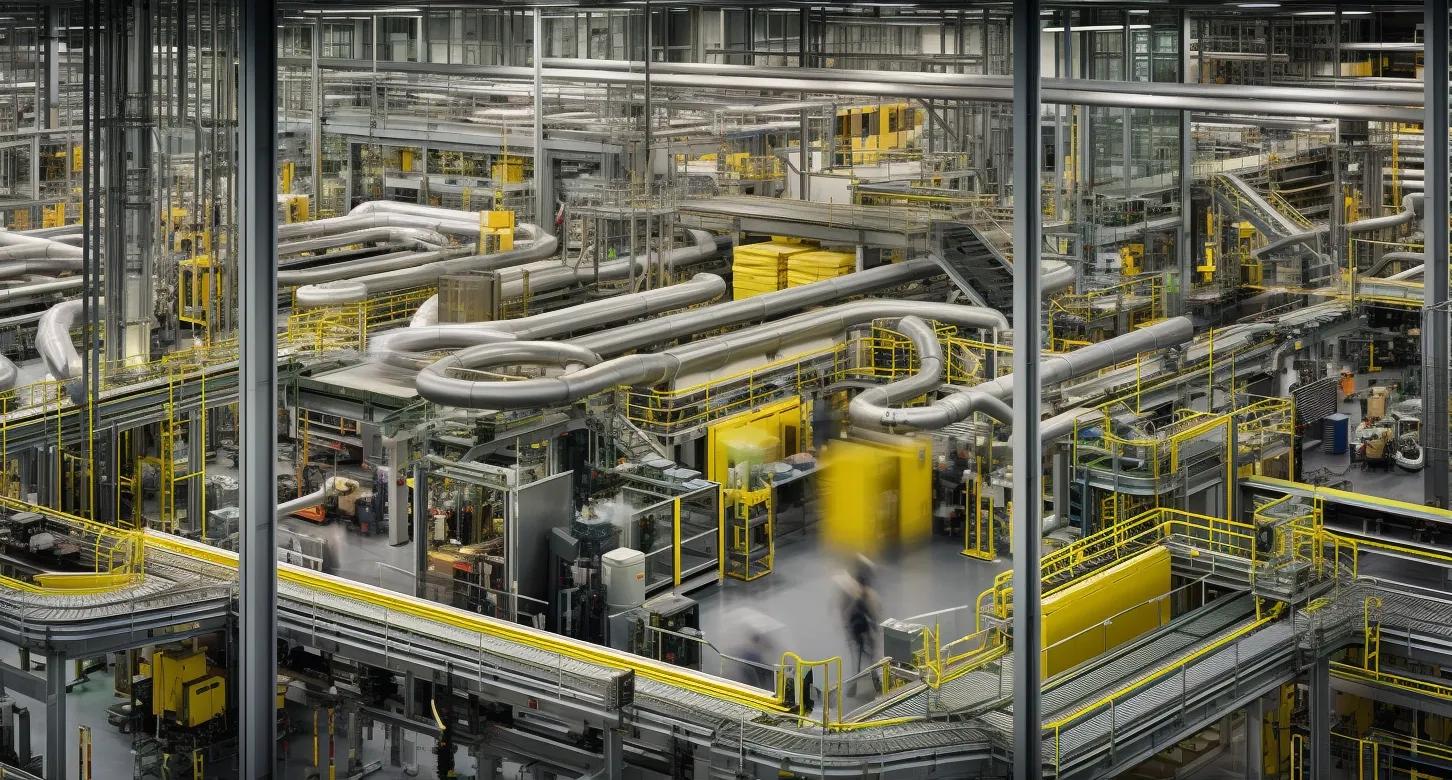
The advent of Digital Twin (DT) techniques has revolutionized various sectors, notably manufacturing and construction. However, the application of these advanced technologies in city planning remains a subject of ongoing research and debate. This article aims to provide a comprehensive exploration of the potential and challenges of implementing Digital Twin techniques in city planning. It will delve into key aspects such as the inherent complexity of urban environments, the emerging "City as a Service" model, the pivotal role of human-centric planning, and the transformative power of digitalization.
The Complexity of Urban Environments
One of the most significant challenges in applying Digital Twin techniques to city planning is the inherent complexity of urban environments. Unlike manufacturing settings, where processes and components are well-defined and controlled, cities are dynamic and ever-evolving systems. This complexity necessitates a continuous cycle of data collection, analysis, and model updating, making the application of Digital Twins a resource-intensive task.
The Double-Edged Sword of Complexity
The complexity of cities can be viewed as both a barrier and an opportunity for the application of Digital Twin techniques. While the dynamic nature of urban environments requires constant updates to the digital models, this complexity also provides a rich dataset that can offer nuanced insights into various aspects of city life, such as traffic management, energy consumption, and public services.
City as a Service (CaaS): A New Paradigm
The "City as a Service" (CaaS) model represents a paradigm shift in how cities are managed and planned. Originating from Espoo, Finland, this innovative approach aims to operate the city as a service, involving the entire community in the provision and management of services. The CaaS model is built on the pillars of transparency, digitalization, and scalability, making it a robust framework for the application of Digital Twin techniques in modern cities.
Feasibility and Applicability
While the CaaS model offers a promising framework for city management, questions remain about its universal applicability. Factors such as the size of the city, demographic composition, and technological readiness can significantly influence the success of this model. Therefore, a one-size-fits-all approach may not be feasible, and customization based on specific city characteristics may be required.
Human-Centric Planning: The Cornerstone of Success
The role of human-centric planning in the successful application of Digital Twin techniques cannot be overstated. While Information and Communication Technology (ICT) offers powerful tools for data collection and analysis, the ultimate success of any city planning initiative hinges on its ability to address the real needs of the community. Therefore, a shift from an ICT-centric to a human-centric approach is essential. This involves the integration of various stakeholders, including city officials, businesses, and citizens, in the planning and decision-making processes.
Balancing Technology and Humanity
Striking the right balance between technological advancements and human-centric planning is crucial for the successful implementation of Digital Twins in city planning. While ICT can provide the tools and platforms for efficient data management and analysis, the inclusion of human factors ensures that the solutions generated are both practical and sustainable.
The Role of Digitalization and Multi-Level Governance
Digitalization is a transformative force that is reshaping the landscape of city planning and management. However, the siloed nature of digital initiatives often hampers their effectiveness. The integration of digitalization into a common platform that serves as a tool for all planning and development activities is essential. Digital Twin techniques can serve as this integrating tool, facilitating multi-level governance and streamlining bureaucratic processes.
The Future: Automated Updates and Artificial Intelligence
The role of emerging technologies like Artificial Intelligence (AI) in the future of Digital Twin techniques in city planning is significant. AI can facilitate automated updates to the digital models, ensuring that planning and decision-making are based on the most current data. This not only makes the planning process more efficient but also enhances the accuracy and reliability of the solutions generated.
In conclusion, the application of Digital Twin techniques in city planning is a complex yet promising domain. While challenges related to the dynamic nature of cities and the need for continuous updates exist, the potential benefits in terms of actionable insights and improved quality of life are substantial. Models like "City as a Service" and approaches that emphasize human-centric planning can pave the way for more effective, inclusive, and sustainable cities. As we move forward, the integration of advanced technologies like AI will be crucial in realizing the full potential of Digital Twins in city planning. Therefore, a multi-faceted approach that combines technological innovation with human-centric planning is essential for the successful application of Digital Twin techniques in the complex landscape of urban development.
Reference:
https://www.gim-international.com/content/article/can-digital-twin-techniques-serve-city-needs?sid=44691