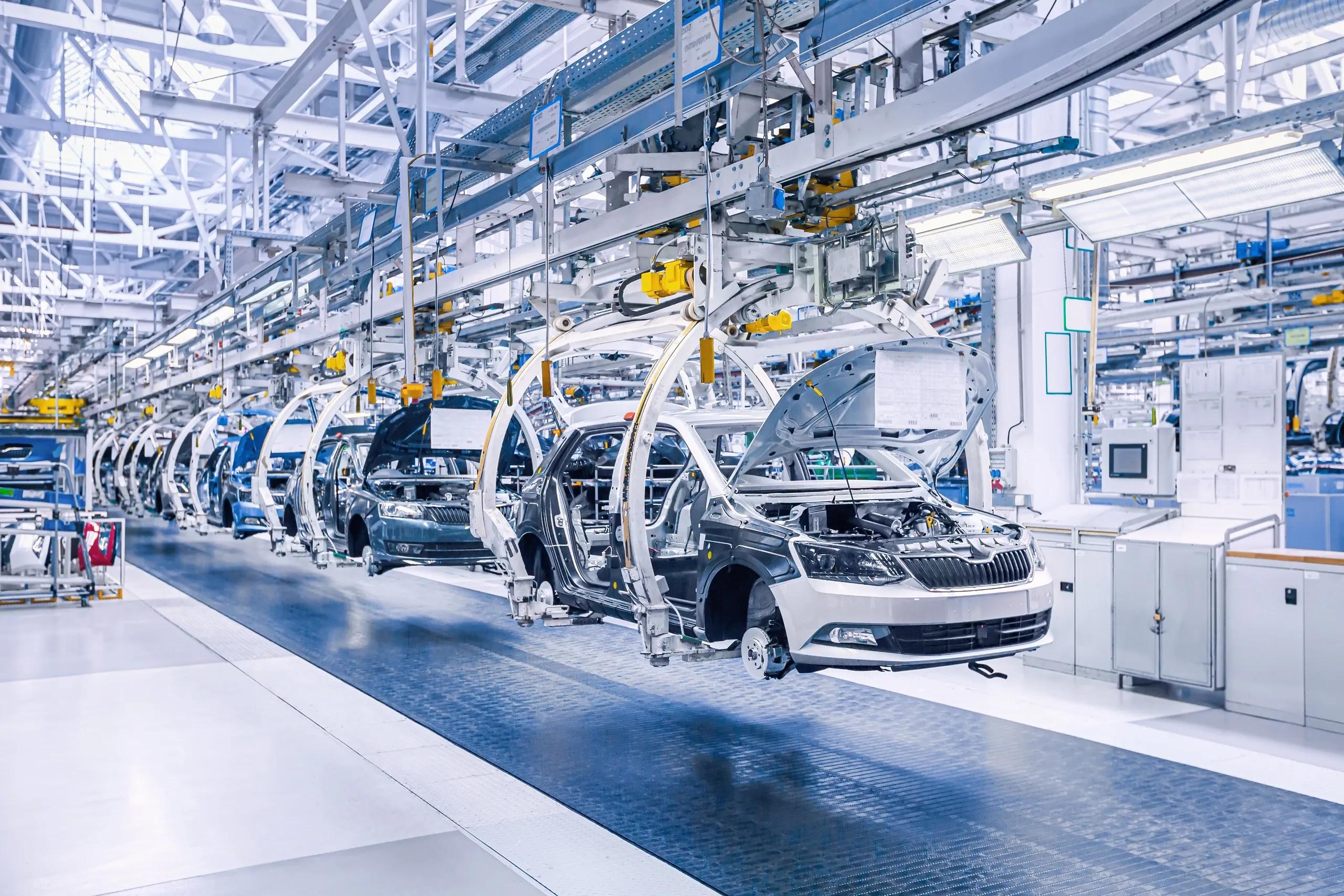
The automotive industry is undergoing a transformative shift, driven by evolving regulations, consumer demand for sustainability, and resource scarcity. While electrification and autonomous systems are reshaping mobility, an equally critical transformation is underway, the transition from linear to circular production models. This shift emphasizes reuse, remanufacturing, recycling, and lifecycle extension of vehicles and components.
At the core of this circular transformation are smart manufacturing technologies and Building Information Modeling (BIM), tools that enable data-driven design, traceability, predictive maintenance, and disassembly planning. In this article, we explore how smart manufacturing and BIM together enable circularity in the automotive sector, reducing waste, improving efficiency, and delivering long-term economic and environmental value.
The Need for Circularity in Automotive Manufacturing
Traditional automotive production follows a linear model: extract materials → manufacture vehicles → use → discard or scrap. This system results in:
High material and energy consumption
Growing volumes of end-of-life vehicles (ELVs)
Limited reuse of components or raw materials
Emissions from supply chains and production processes
As regulations like the End-of-Life Vehicles Directive (ELV) and the push toward net-zero emissions become stricter, automakers are rethinking their business models to embed circularity from design to disposal.
Circularity in automotives focuses on:
Design for disassembly and modularity
Use of recycled and renewable materials
Component reuse and remanufacturing
Closed-loop production systems
Lifecycle data for intelligent asset management
Smart Manufacturing: The Digital Backbone of Circular Automotive Production
Smart manufacturing refers to the integration of advanced digital technologies, IoT, AI, robotics, additive manufacturing, and cyber-physical systems, into the production process. For circularity, smart manufacturing enables:
1. Material Traceability and Lifecycle Data
Through IoT sensors and digital tagging, materials and parts are tracked across the supply chain, enabling:
Real-time monitoring of usage, wear, and environmental impact
Material passports that detail origin, composition, and recyclability
Reverse logistics planning for retrieval of valuable components
This traceability is essential for certifying recycled content, meeting compliance requirements, and optimizing recovery processes at end-of-life.
2. Predictive Maintenance and Part Reuse
Smart manufacturing systems use sensor data and AI algorithms to predict component failures. This supports:
Extended part lifespans through proactive maintenance
Reduced replacements and material consumption
Grading of used components for reuse or remanufacture
For example, predictive insights from connected brake systems can indicate whether a returned part is suitable for reconditioning, reducing waste and cost.
3. Flexible and Modular Production Lines
Smart factories use reconfigurable production cells, additive manufacturing, and robotics to:
Assemble modular components that can be upgraded or replaced
Customize vehicles for circular designs (e.g., swap-in battery packs, interior modules)
Adapt quickly to incorporate recycled materials or remanufactured parts
This flexibility is vital in a circular economy, where variability in material input and component reuse must be accommodated.
BIM for Automotive Facilities and Lifecycle Coordination
Although Building Information Modeling (BIM) is often associated with construction and infrastructure, it is increasingly being applied to automotive plants, logistics centers, and digital asset coordination.
1. Circular-Aware Facility Design
Using BIM, automotive manufacturers can:
Design production facilities for material flow optimization and waste reduction
Simulate the impact of different layouts on energy consumption and logistics
Plan infrastructure that accommodates recycling and remanufacturing zones
This ensures that the physical environment supports circular workflows from the start.
2. Lifecycle Documentation and Asset Management
BIM provides a shared data environment to track building systems, equipment, and utility use across the facility lifecycle:
HVAC, lighting, and utility systems tied to production circularity goals
Maintenance planning for facility assets to avoid early obsolescence
Integration with digital twins for real-time facility monitoring and scenario testing
This level of insight helps ensure the circular efficiency of both the vehicle and the plant producing it.
3. Integration with Smart Manufacturing Platforms
Modern BIM platforms can integrate with factory automation systems and MES (Manufacturing Execution Systems). This allows:
Real-time data exchange between building systems and production equipment
Coordinated planning between vehicle design and factory capabilities
Simulations of material usage, energy flow, and component life within the production ecosystem
Use Case: Circular Manufacturing of EV Platforms
A leading automotive OEM implements smart manufacturing and BIM to scale the circular production of electric vehicles:
Smart sensors monitor battery and motor component wear during vehicle usage.
Returned parts from early EVs are analyzed for reuse or recycling via a digital material passport.
The factory uses BIM to redesign internal layout, creating dedicated areas for battery pack remanufacturing.
Production lines adapt to integrate recovered materials into new assemblies with no change in cycle time.
A digital twin of the plant combines BIM and IoT to simulate and improve material flow efficiency.
Results: A 25% reduction in raw material input, 40% increase in component reuse rate, and improved compliance with regional take-back regulations.
Benefits of Smart Manufacturing and BIM for Automotive Circularity
Area: Benefit
Material Efficiency: Reduced use of virgin materials through reuse and recycling
Cost Optimization: Lower costs from predictive maintenance and modular upgrades
Regulatory Compliance: Easier traceability and documentation for ELV and EPR policies
Sustainability Goals: Supports emissions reduction and zero-waste targets
Product Differentiation: Enhanced brand value through circular product offerings
Lifecycle Intelligence: Full asset visibility and planning from design to disassembly
Challenges and Mitigation Strategies
Challenge: Strategy
Legacy systems:
Gradual integration of smart platforms with existing MES/PLM tools
Data silos: Use cloud-based platforms for centralized lifecycle data
Cost of transition: Start with high-impact areas like EVs or shared mobility products
Training gaps: Invest in cross-disciplinary upskilling for plant, design, and IT teams
Circular design complexity: Collaborate across departments to align on reuse-ready product architectures
Conclusion
Circularity in the automotive sector isn’t just about recycling, it’s about redesigning products, systems, and processes to preserve value, reduce waste, and build resilience. Smart manufacturing technologies and BIM are foundational to this transformation, offering intelligence, traceability, and adaptability needed to manage complex circular workflows.
As manufacturers aim to reduce their environmental footprint and future-proof their operations, those who invest in digital infrastructure will be best positioned to lead. Circularity is no longer an environmental add-on; it’s a competitive advantage. And with the right data-driven tools in place, automakers can drive the future of mobility toward one that is not only smart, but also sustainable by design.