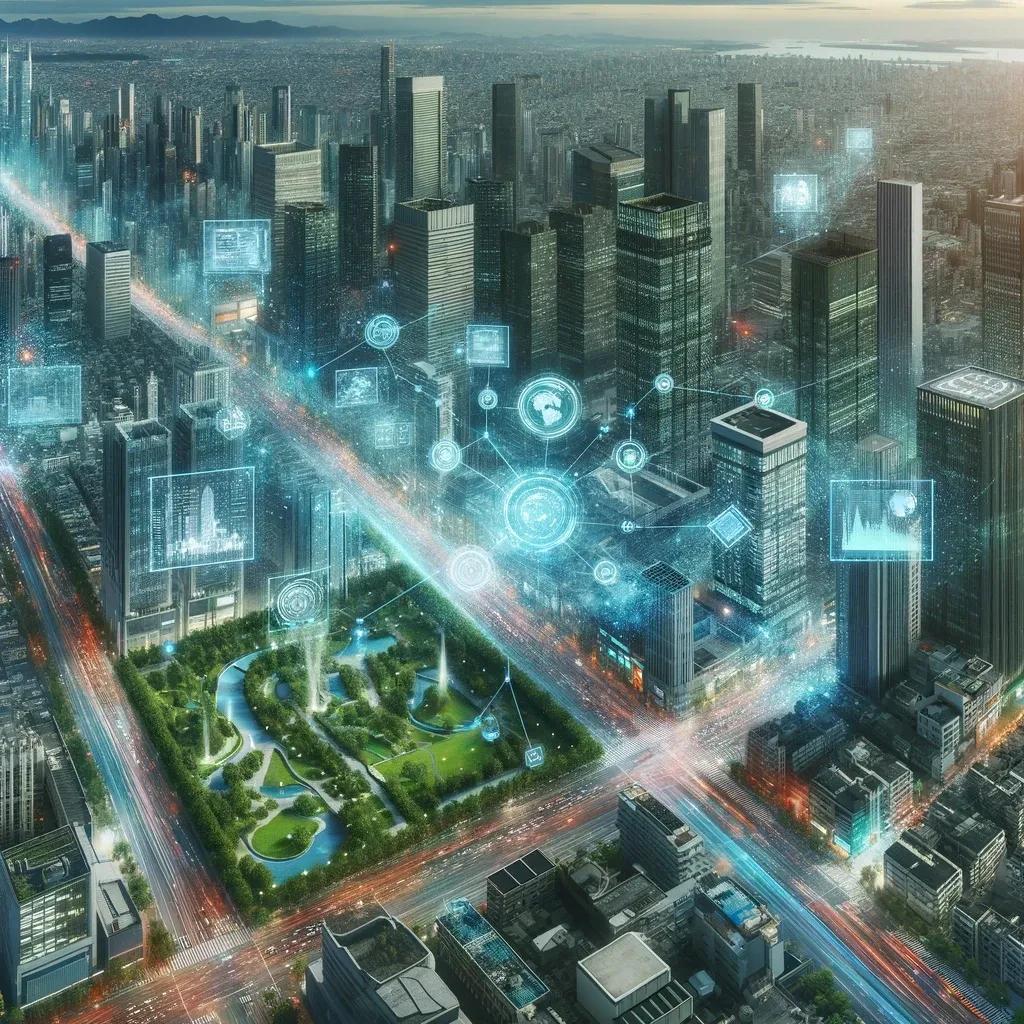
In the realm of urban planning and management, the concept of Digital Twins represents a transformative approach, offering a comprehensive and dynamic model for cities to optimize their operations, infrastructure, and services. This article delves into the essence of Digital Twins, their application in urban planning, and the benefits they bring to city management and development.
What are Digital Twins?
Digital Twins refer to virtual replicas of physical entities, systems, or processes created using real-time data, simulation models, and advanced analytics. In urban contexts, they represent entire cities in a digital format, mirroring every aspect of the urban environment, including buildings, transportation systems, utilities, and natural resources. These digital counterparts are not static; they evolve in real-time, reflecting changes in the physical world, to provide a living, breathing digital model of the city.
Application of Digital Twins in Urban Planning
The application of Digital Twins in urban planning is multifaceted, ranging from infrastructure development to environmental management. Planners and decision-makers use these virtual models to simulate and analyze the outcomes of various planning scenarios, making informed decisions that lead to more sustainable, efficient, and resilient urban environments.
Infrastructure and Transportation: Digital Twins enable planners to design and test the effectiveness of infrastructure projects in a virtual environment before any physical work begins. This includes analyzing the impact of new transportation routes, optimizing traffic flow, and assessing the feasibility of renewable energy systems.
Environmental Management: By simulating different environmental scenarios, such as air quality, water management, and green space allocation, Digital Twins help in crafting strategies that enhance the urban environment and mitigate the impacts of climate change.
Public Safety and Emergency Response: Digital Twins can model emergency situations, like natural disasters or public health crises, allowing authorities to plan and execute more effective response strategies. This includes optimizing evacuation routes, planning resource allocation, and improving resilience against future incidents.
Urban Development and Land Use: Through detailed simulation, Digital Twins assist in visualizing the potential impacts of new developments on the urban fabric. This aids in better land-use planning, ensuring developments are sustainable and in harmony with the existing cityscape.
Benefits of Digital Twins in Urban Planning
The integration of Digital Twins into urban planning processes brings about numerous benefits, significantly enhancing the way cities are designed, managed, and evolved.
Enhanced Decision-Making: The ability to simulate and analyze various planning scenarios in a risk-free environment allows for more informed decision-making, reducing the likelihood of costly mistakes and ensuring that urban development projects are more successful in meeting their objectives.
Increased Efficiency: Digital Twins streamline the planning process, from concept through execution, saving time and resources. By identifying potential issues early, they reduce the need for physical prototypes and rework, leading to more efficient project completion.
Improved Sustainability: Through precise modeling and simulation, Digital Twins facilitate the design of cities that are more sustainable, reducing their environmental footprint. This includes optimizing energy consumption, minimizing waste, and enhancing the use of renewable resources.
Better Quality of Life: By creating more efficient, sustainable, and resilient urban environments, Digital Twins contribute to improving the quality of life for city residents. This includes reduced traffic congestion, better air quality, and more accessible and enjoyable public spaces.
Dynamic Urban Management: Digital Twins provide city managers with a dynamic tool for ongoing urban management, allowing for continuous monitoring and adjustment of city operations. This leads to smarter, more responsive cities that can quickly adapt to changing needs and circumstances.
Challenges and Considerations
While the potential of Digital Twins in urban planning is vast, there are challenges to their implementation. These include the need for substantial data collection and management, ensuring data privacy and security, and the requirement for interdisciplinary collaboration to effectively integrate and utilize Digital Twins in urban planning processes. Moreover, there's a need for ongoing investment in technology and skills development to fully leverage the benefits of Digital Twins.
In conclusion, Digital Twins represent a significant leap forward in urban planning and management, offering a powerful tool for cities to navigate the complexities of modern urban development. By providing a detailed and dynamic model of the urban environment, they enable more informed decision-making, improved efficiency, enhanced sustainability, and a better quality of life for urban residents. As cities continue to grow and evolve, the adoption of Digital Twins in urban planning processes will play a crucial role in shaping the smart, resilient, and sustainable cities of the future.