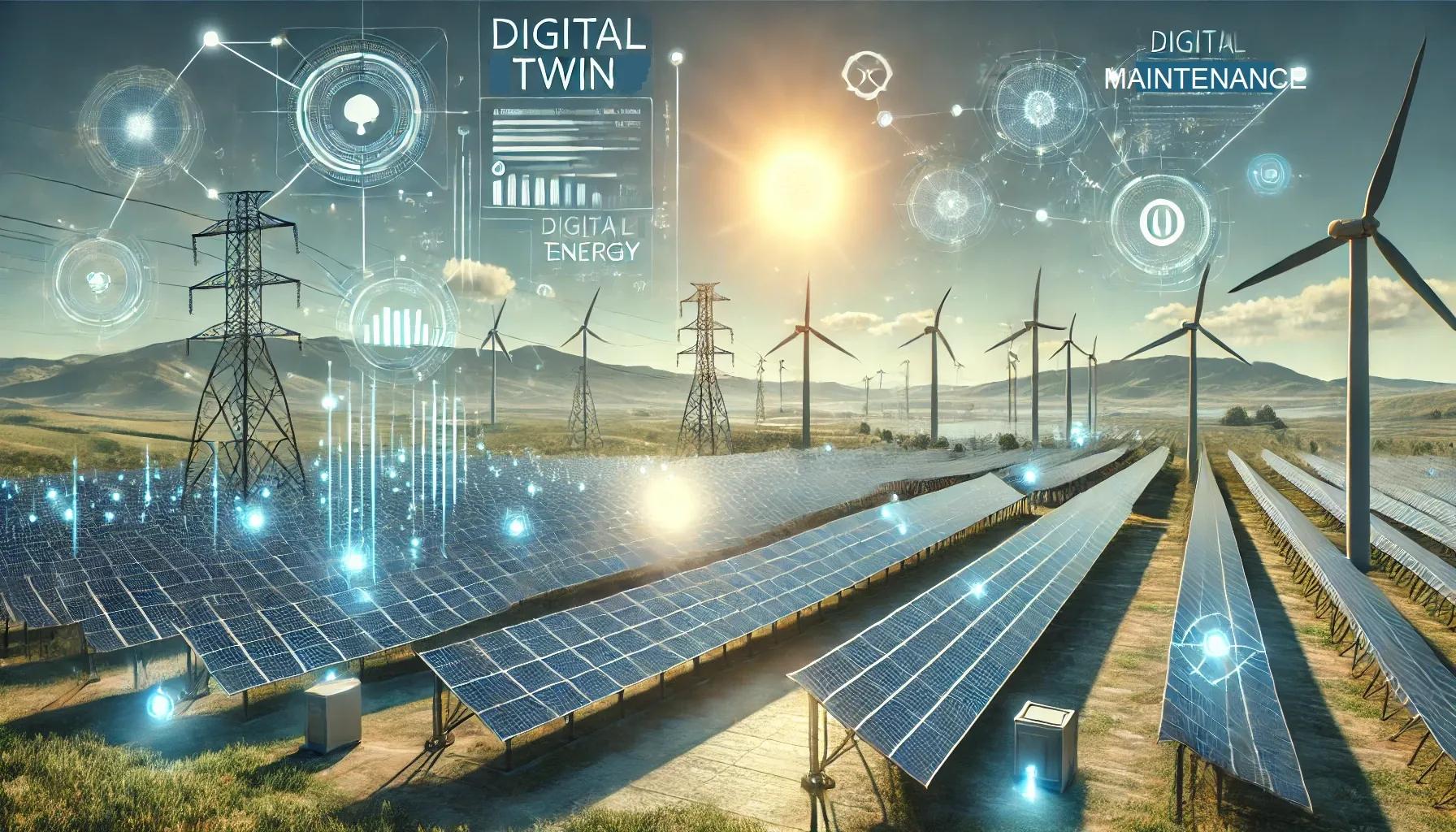
Digital twins are a revolutionary technology that is reshaping various industries, including renewable energy. As the world seeks to transition to sustainable energy sources, digital twins offer an advanced solution for optimizing the harnessing of solar and wind power. This article delves into the concept of digital twins, their application in renewable energy, and how they enhance the efficiency and reliability of solar and wind power systems.
Understanding Digital Twins
A digital twin is a virtual replica of a physical entity, system, or process. It integrates data from multiple sources to create a dynamic, real-time representation of its physical counterpart. This allows for monitoring, analysis, and simulation of performance under various conditions. Digital twins utilize Internet of Things (IoT) sensors, machine learning algorithms, and data analytics to provide a comprehensive understanding of the operational state and predict future behavior.
The Role of Digital Twins in Renewable Energy
In the context of renewable energy, digital twins play a pivotal role in optimizing the design, operation, and maintenance of solar and wind power systems. They enable the continuous monitoring and analysis of energy production, thus facilitating efficient energy management and improving system reliability.
Design Optimization
Digital twins assist in the initial design and planning stages of renewable energy projects. For solar power, they can simulate different panel configurations, orientations, and locations to determine the optimal setup for maximum energy capture. In wind power, digital twins can model wind turbine placement, taking into account factors such as wind speed, direction, and turbulence to identify the best locations for turbines.
By simulating various scenarios, digital twins help in assessing the potential energy output and financial viability of renewable energy projects before any physical installation. This reduces the risk of underperformance and ensures that investments are directed towards the most promising configurations.
Operational Efficiency
Once a renewable energy system is operational, digital twins provide continuous real-time monitoring and control. For solar power systems, they track parameters such as solar irradiance, temperature, and panel performance. This data is used to optimize energy output by adjusting the tilt and orientation of solar panels dynamically.
In wind power systems, digital twins monitor wind speeds, turbine rotations, and mechanical stresses. They can predict and adjust turbine settings to maximize energy production while minimizing wear and tear. This not only enhances energy efficiency but also extends the lifespan of the equipment.
Predictive Maintenance
One of the significant advantages of digital twins is their ability to facilitate predictive maintenance. By analyzing real-time data and historical performance, digital twins can predict when components of solar panels or wind turbines are likely to fail. This allows for proactive maintenance, reducing downtime and preventing costly repairs.
For example, digital twins can detect early signs of degradation in solar panels, such as hotspots or micro-cracks. In wind turbines, they can identify unusual vibrations or deviations in performance that may indicate impending mechanical failures. By addressing these issues before they escalate, digital twins help maintain the continuous and efficient operation of renewable energy systems.
Case Study: Solar Power
To illustrate the application of digital twins in solar power, consider a large-scale solar farm. The digital twin of the solar farm integrates data from various sources, including IoT sensors on solar panels, weather stations, and satellite imagery. This data is used to create a real-time model of the solar farm's performance.
Energy Production Optimization
The digital twin continuously monitors solar irradiance, panel temperatures, and energy output. By analyzing this data, it can identify inefficiencies, such as shading from nearby structures or dust accumulation on panels. The digital twin can then recommend corrective actions, such as cleaning the panels or trimming vegetation, to restore optimal performance.
Fault Detection and Maintenance
The digital twin can also detect faults in the solar panels, such as hotspots caused by cell degradation or connectivity issues. By pinpointing the exact location and nature of the fault, the digital twin enables targeted maintenance, reducing downtime and maintenance costs.
Scenario Simulation
In addition to real-time monitoring, the digital twin can simulate various scenarios to optimize energy production. For instance, it can model the impact of seasonal changes in solar irradiance and recommend adjustments to the panel tilt angle to maximize energy capture throughout the year.
Case Study: Wind Power
For wind power, digital twins provide similar benefits. Consider a wind farm equipped with digital twins for each turbine.
Performance Monitoring
The digital twin continuously monitors wind speeds, turbine rotations, and mechanical stresses. By analyzing this data, it can optimize turbine settings, such as blade pitch and yaw angles, to maximize energy production under varying wind conditions.
Predictive Maintenance
The digital twin can detect early signs of mechanical wear or failures, such as unusual vibrations or changes in turbine performance. By predicting when components are likely to fail, the digital twin enables proactive maintenance, reducing downtime and extending the lifespan of the turbines.
Energy Forecasting
Digital twins can also improve energy forecasting by integrating data from weather models and historical performance. This enables more accurate predictions of energy production, helping grid operators balance supply and demand more effectively.
Challenges and Future Directions
While digital twins offer significant benefits for renewable energy, there are challenges to their widespread adoption. These include the high initial costs of implementing digital twin technology, the need for robust data integration, and concerns about data security and privacy.
However, advancements in IoT, artificial intelligence, and cloud computing are expected to address these challenges. As technology evolves, digital twins will become more accessible and cost-effective, driving their adoption in the renewable energy sector.
In conclusion, digital twins represent a transformative technology for the renewable energy sector, offering a powerful tool for optimizing the design, operation, and maintenance of solar and wind power systems. By harnessing the capabilities of digital twins, the renewable energy industry can achieve greater efficiency, reliability, and sustainability, accelerating the transition to a cleaner and more resilient energy future. As we continue to innovate and refine digital twin technology, its impact on renewable energy will only grow, paving the way for a more sustainable world.