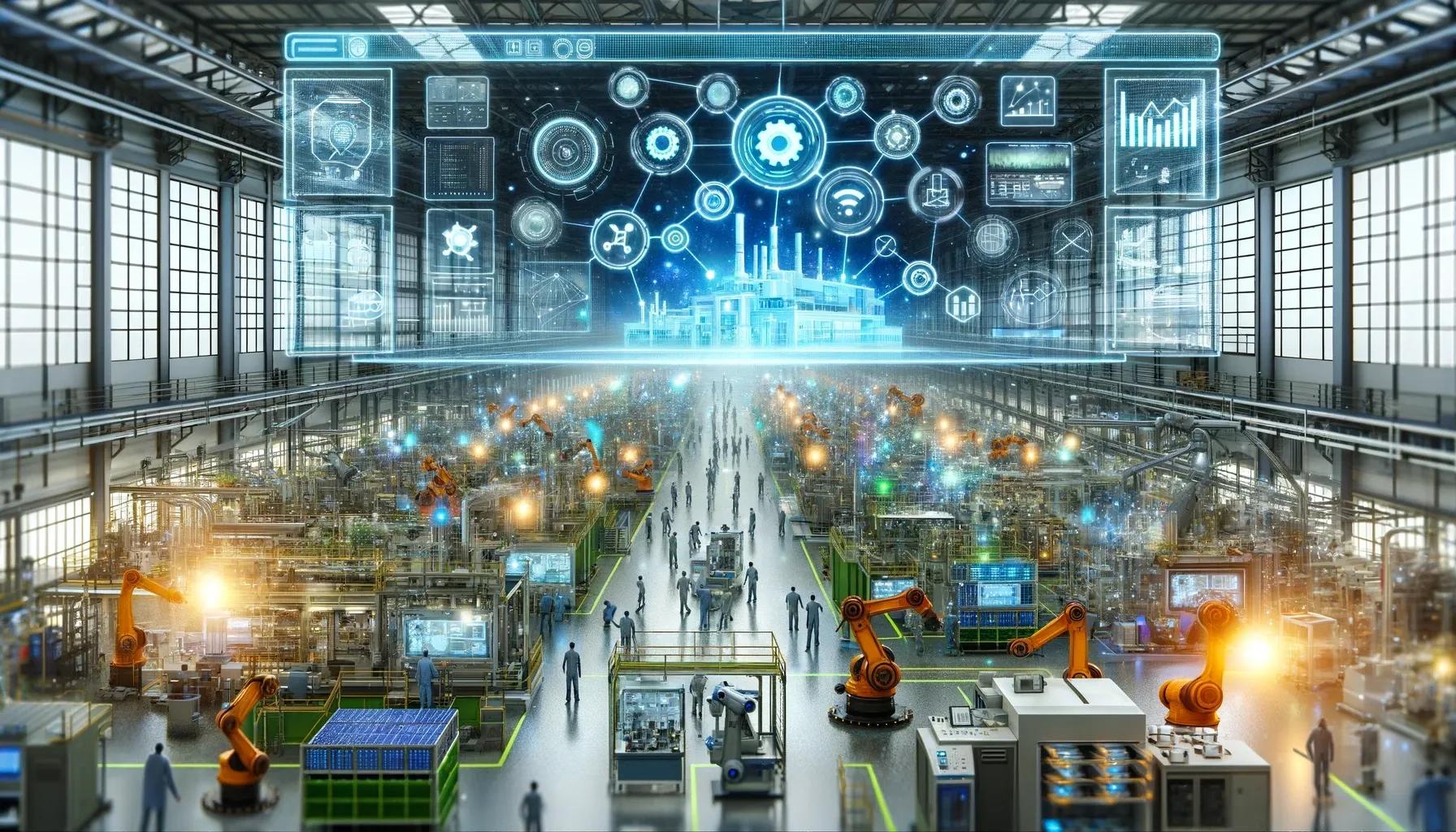
In the evolving landscape of manufacturing, digital twins have emerged as a transformative technology, redefining the paradigms of production lines. This innovative concept represents a convergence of physical and digital worlds, offering a dynamic, digital replica of physical assets, processes, or systems. Digital twins in manufacturing stand at the forefront of Industry 4.0, driving efficiencies, optimizing operations, and enabling unprecedented levels of data-driven decision-making.
The Genesis of Digital Twins
The concept of digital twins originated in the early 2000s, primarily within the aerospace and defense sectors, to simulate the conditions of spacecrafts that were physically inaccessible. Over the years, the application of digital twins has proliferated across various industries, with manufacturing leading the way. Today, digital twins serve as the backbone of smart manufacturing, embodying the integration of the Internet of Things (IoT), artificial intelligence (AI), machine learning (ML), and big data analytics.
Core Components of a Digital Twin in Manufacturing
Data Layer: The foundation of a digital twin is its data layer, which encompasses real-time and historical data from various sources, including sensors, machines, and enterprise systems. This layer ensures that the digital twin accurately reflects its physical counterpart.
Integration Layer: This facilitates the seamless flow of data between the digital twin and its physical counterpart, leveraging IoT technologies for real-time synchronization.
Analytics Layer: Powered by AI and ML algorithms, this layer processes and analyzes data, generating insights to predict outcomes, optimize processes, and facilitate decision-making.
Visualization Layer: It provides a user-friendly interface, often leveraging augmented reality (AR) or virtual reality (VR), to interact with the digital twin, understand its analytics, and visualize complex processes or simulations.
Transformative Impacts on Production Lines
Optimized Operations: Digital twins enable manufacturers to create highly detailed simulations of their production processes, identifying bottlenecks, inefficiencies, and areas for improvement. By simulating changes in the production line, managers can predict the outcomes of adjustments without disrupting the actual operations, thereby optimizing the overall process flow.
Predictive Maintenance: Through continuous monitoring and analysis of equipment data, digital twins can predict failures before they occur, scheduling maintenance proactively. This approach significantly reduces downtime, extends the lifespan of machinery, and lowers maintenance costs.
Customization and Innovation: Digital twins facilitate a more agile manufacturing process, allowing for the customization of products to meet specific customer requirements. They also serve as a sandbox for testing new ideas and innovations in product design and manufacturing processes, accelerating the time to market for new products.
Sustainability: By enabling precise control and optimization of manufacturing processes, digital twins contribute to more sustainable practices. They help in reducing waste, optimizing energy use, and ensuring compliance with environmental regulations.
Challenges and Future Directions
While the benefits of digital twins in manufacturing are substantial, their implementation is not without challenges. These include the need for substantial initial investment, the complexity of integrating digital twin technology with existing systems, and concerns regarding data security and privacy. Additionally, the success of digital twins requires a skilled workforce capable of interpreting complex data and making informed decisions based on its analysis.
Looking ahead, the future of digital twins in manufacturing is poised for exponential growth, driven by advancements in IoT, AI, and cloud technologies. Integration with other Industry 4.0 technologies, such as blockchain for enhanced security and smart contracts, and the continued development of more sophisticated AI algorithms will further enhance the capabilities of digital twins. Moreover, as manufacturers increasingly recognize the value of digital twins in achieving operational excellence and competitive advantage, adoption rates are expected to surge.
In conclusion, digital twins are revolutionizing manufacturing, transforming production lines into intelligent ecosystems that are more efficient, flexible, and sustainable. By bridging the gap between the physical and digital worlds, they enable manufacturers to anticipate problems before they occur, optimize operations, and innovate at a faster pace. Despite the challenges associated with their implementation, the potential benefits of digital twins make them an indispensable tool in the modern manufacturing landscape. As technology continues to evolve, the role of digital twins in manufacturing will undoubtedly expand, further cementing their status as a cornerstone of Industry 4.0.