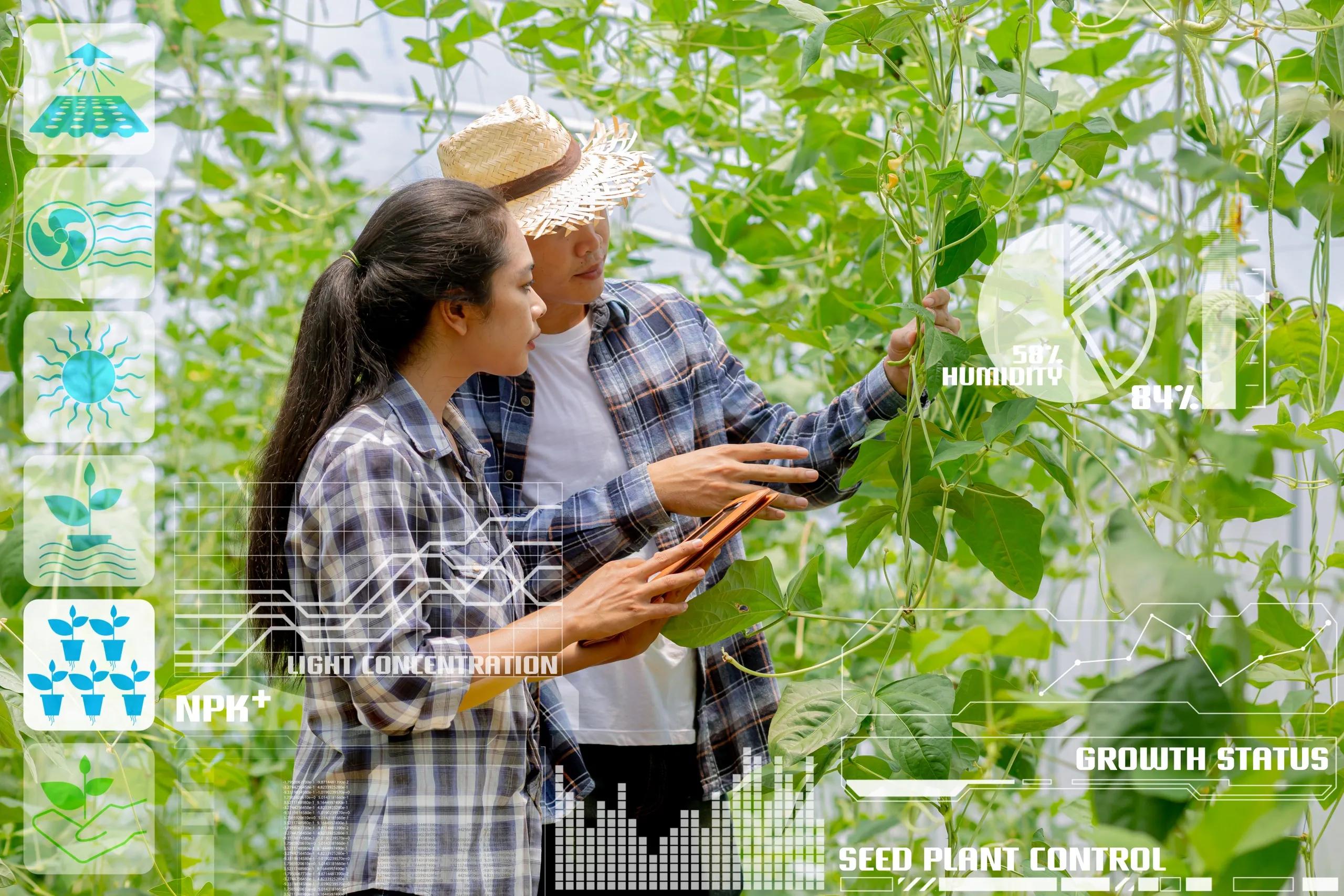
The advent of digital technology in the agricultural sector has opened new avenues for enhancing productivity, sustainability, and precision. Among the myriads of technological advancements transforming modern agriculture, digital twins have emerged as a critical innovation. Originally conceived in industries such as aerospace and manufacturing, digital twins are now being integrated into agronomy, revolutionizing crop management and resource allocation. This article explores how digital twins are shaping the future of agronomy and the potential they offer for optimizing agricultural practices.
What is a Digital Twin?
A digital twin is a virtual representation of a physical asset, system, or process that is continuously updated with real-time data. By leveraging sensors, Internet of Things (IoT) devices, and artificial intelligence (AI), digital twins enable precise monitoring and predictive analysis of physical assets in real-world conditions. In the context of agronomy, a digital twin represents a virtual model of a farm, a specific crop, or an ecosystem, where various factors such as soil quality, weather patterns, and crop growth are digitally replicated.
These virtual models can simulate real-world events, analyze scenarios, and predict outcomes, allowing farmers to make data-driven decisions with unparalleled accuracy. A digital twin in agronomy integrates real-time data about crops, weather, irrigation systems, soil conditions, and pest control measures to help farmers optimize resource use and enhance crop yield.
Key Components of a Digital Twin in Agronomy
For the successful implementation of digital twins in agronomy, several critical components come together to create a comprehensive system. These components include:
Data Collection Systems : Digital twins rely heavily on data, which is collected through sensors embedded in the soil, water sources, and even crops themselves. These sensors monitor a wide range of parameters, such as soil moisture, temperature, nutrient levels, and weather conditions. Drones and satellites equipped with remote sensing technologies also play a pivotal role in gathering data about crop health and field conditions.
IoT and Connectivity : Internet of Things (IoT) devices form the backbone of digital twin technology. They connect all physical assets on the farm with the digital twin by transmitting real-time data, ensuring that the digital twin remains an accurate reflection of the physical environment. IoT devices can range from soil moisture sensors to automated irrigation systems that adjust based on environmental feedback.
Data Analytics and AI : Once data is collected, artificial intelligence and machine learning algorithms process the information to generate actionable insights. By analyzing data trends and patterns, the digital twin can offer predictive models for crop growth, resource allocation, and risk mitigation. For example, AI can identify optimal irrigation schedules or predict potential pest outbreaks.
Simulation Models : The core of the digital twin lies in its ability to simulate real-world scenarios. These models can run "what-if" analyses to explore different strategies for improving crop yield, such as adjusting irrigation methods, planting dates, or fertilizer application. Simulation models also help farmers anticipate the impact of external variables like droughts, floods, or pest infestations.
User Interface and Decision Support Systems : The output of a digital twin is presented to the farmer or agronomist through an interactive dashboard or decision support system. These interfaces visualize complex data in a user-friendly manner, allowing stakeholders to monitor crop growth, resource use, and environmental conditions in real-time.
How Digital Twins Improve Crop Management
The integration of digital twins in agronomy offers a range of benefits that directly impact crop management. From precise planting to real-time monitoring and predictive modeling, digital twins are reshaping how farmers approach agricultural challenges.
1. Precision Agriculture
Digital twins facilitate precision agriculture by enabling farmers to tailor their practices to the specific needs of individual crops and fields. For instance, by analyzing soil quality data, a digital twin can recommend the precise amount of fertilizer required in different parts of the field, ensuring that crops receive the right nutrients without over-application. Similarly, the twin can optimize planting schedules based on real-time weather forecasts, increasing the likelihood of a successful harvest.
2. Real-Time Monitoring
One of the most significant advantages of digital twins is real-time monitoring. Farmers can continuously track the growth of their crops, soil health, and environmental conditions. If a sensor detects an issue, such as insufficient soil moisture or an early sign of a pest infestation, the digital twin immediately alerts the farmer, allowing for prompt intervention. This level of real-time awareness helps prevent problems from escalating and ensures that resources are used efficiently.
3. Predictive Analytics and Risk Mitigation
By incorporating AI and machine learning, digital twins provide farmers with predictive analytics that can foresee potential challenges and offer solutions. For instance, by analyzing historical data and current conditions, a digital twin can predict drought periods and recommend irrigation strategies that minimize water use while maintaining crop health. Similarly, predictive models can identify the most likely pest threats based on environmental conditions, enabling proactive pest control measures.
4. Resource Allocation Optimization
Efficient resource allocation is critical to sustainable agriculture, and digital twins play a vital role in optimizing the use of water, fertilizers, and other inputs. By analyzing soil moisture levels, for example, a digital twin can adjust irrigation systems to deliver water only to areas that need it, reducing water wastage. Likewise, it can recommend the optimal amount of fertilizer based on real-time soil nutrient levels, ensuring that crops receive just the right amount of nourishment without excessive use of chemicals.
Benefits for Resource Management
The use of digital twins extends beyond crop management to encompass broader resource management practices. Efficient resource use is essential for sustainable agriculture, particularly in the context of increasing global demand for food and the growing pressures of climate change. Digital twins offer several key benefits for resource management:
Water Conservation : Agriculture is a major consumer of freshwater resources, and water scarcity is a growing concern in many regions. Digital twins help conserve water by optimizing irrigation systems. By monitoring soil moisture and weather conditions in real-time, the digital twin ensures that water is applied only when and where it is needed. This reduces water wastage and improves the efficiency of water use on farms.
Sustainable Fertilizer Use : Overuse of fertilizers can lead to soil degradation, water pollution, and increased greenhouse gas emissions. Digital twins help farmers apply fertilizers more sustainably by analyzing soil nutrient levels and recommending precise applications. This reduces the environmental impact of fertilizer use while ensuring that crops receive the necessary nutrients for optimal growth.
Energy Efficiency : Farming operations often require significant energy inputs, particularly for irrigation, transportation, and machinery. Digital twins can improve energy efficiency by optimizing the timing and amount of resource use. For example, automated irrigation systems powered by digital twins can operate during off-peak energy hours, reducing energy consumption and costs.
Challenges and Future Prospects
Implementing digital twin technology in agronomy presents some challenges that need to be addressed for widespread adoption. The initial cost of setting up sensors, IoT devices, and integrating AI-driven analytics can be significant, especially for small to medium-sized farms. Additionally, rural areas often lack the robust infrastructure necessary for reliable data transmission, which is essential for real-time updates. Our digital twin platform Fabrik addresses these barriers by offering flexible deployment options, allowing farmers to begin with minimal investment and scale up as needed. Moreover, Fabrik 's edge computing capabilities reduce reliance on constant internet connectivity by processing data locally, ensuring that real-time monitoring and decision-making remain seamless, even in regions with intermittent internet access.
Looking to the future, the Fabrik digital twin platform is well-positioned to drive the next generation of agronomic advancements. As the costs of IoT devices and connectivity solutions decrease and 5G networks expand, Fabrik ’s platform will be able to offer even more precise simulations, predictive analytics, and real-time feedback. The integration of AI and machine learning models will further enhance the platform’s ability to analyze large datasets, providing more refined insights into crop health, resource allocation, and risk mitigation. By continuously refining these capabilities, Fabrik will play a pivotal role in shaping the future of sustainable, data-driven agriculture, helping farmers optimize yields while minimizing environmental impact.
In conclusion, digital twins are poised to revolutionize agronomy by enabling more efficient, precise, and sustainable crop management practices. By leveraging real-time data, predictive analytics, and simulation models, digital twins allow farmers to make informed decisions that optimize resource use, mitigate risks, and enhance productivity. As digital twin technology continues to mature, it will play an increasingly important role in ensuring global food security and promoting sustainable agricultural practices for future generations.