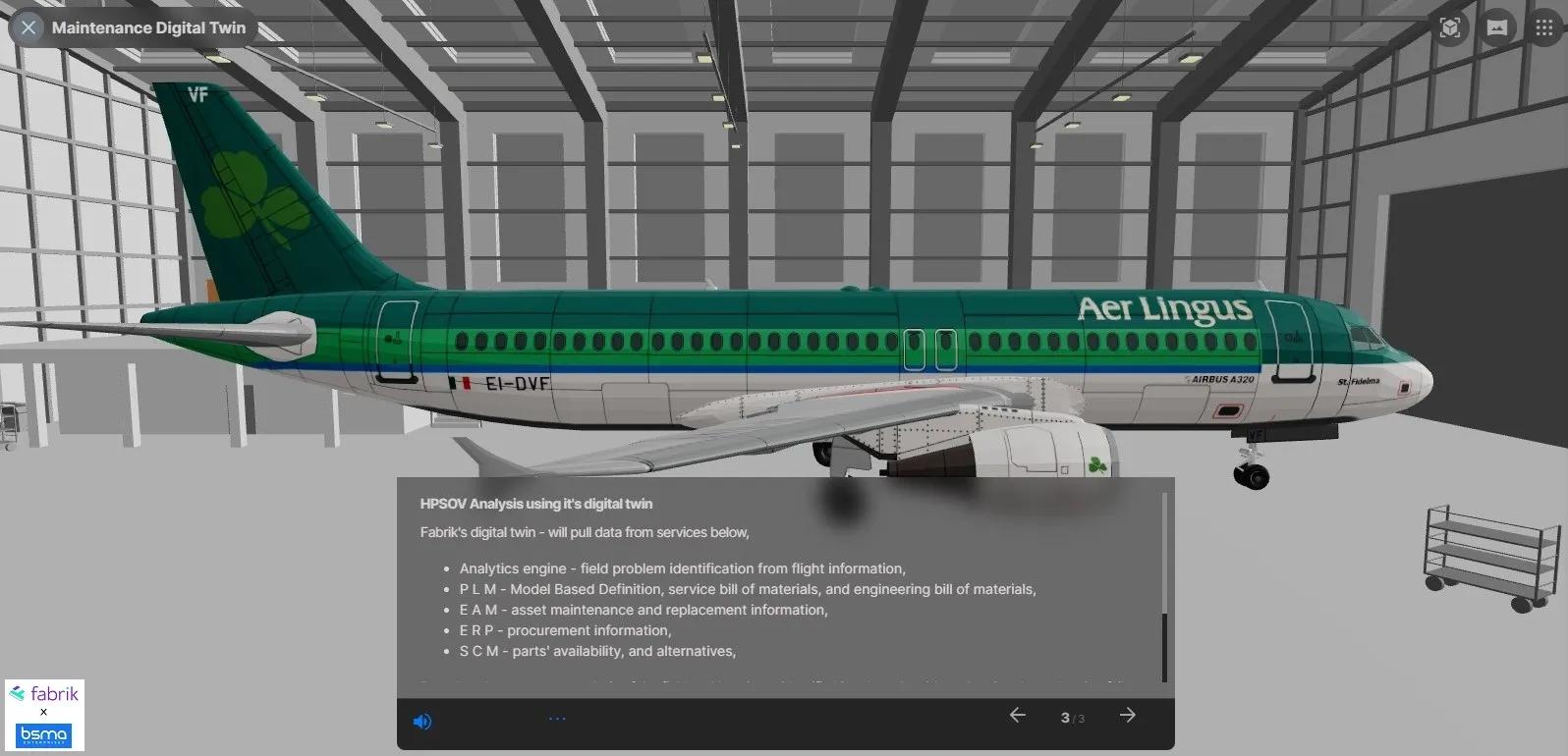
The advent of Digital Twin technology is revolutionizing the manufacturing industry, particularly in the realm of remote collaboration. With the growing need for distributed teams and seamless communication, digital twins offer a dynamic solution. This technology creates a virtual replica of physical assets, systems, or processes, allowing stakeholders to interact with them in real-time. Fabrik ’s digital twin platform exemplifies this transformation, providing a shared 3D environment where teams can visualize, discuss, and resolve issues remotely. This article explores the role of digital twins in enhancing remote collaboration in manufacturing, emphasizing their potential to drive efficiency, reduce costs, and streamline operations.
The Role of Digital Twins in Manufacturing
Digital twins are essentially detailed virtual models of physical assets. They integrate data from various sources—sensors, IoT devices, and historical data—into a single, comprehensive model that reflects real-time conditions. In manufacturing, digital twins can represent anything from a single machine to an entire production line or factory. By mirroring the physical world in a virtual environment, these twins enable manufacturers to monitor performance, predict failures, and optimize processes without physical intervention.
Fabrik ’s platform, for example, offers a fully integrated 3D digital twin for factory requirements, running on the customer’s cloud instance. This system connects real-time data with 3D models, providing stakeholders with a visual and interactive way to manage operations. This virtual model is not static but continuously updated, reflecting the current state of the physical asset and enabling real-time decision-making.
Enhancing Remote Collaboration
One of the most significant advantages of digital twins in manufacturing is their ability to facilitate remote collaboration. Traditional manufacturing processes often rely on physical presence for troubleshooting, inspections, and decision-making. However, with the integration of digital twins, these activities can be conducted virtually. Teams located across different geographies can access the same digital twin model, interact with it, and collaborate in real-time.
Fabrik' s digital twin technology supports this by creating immersive 3D environments where stakeholders can visualize the entire manufacturing process from anywhere in the world. The platform supports features like in-app calling, annotations, and collaborative tools, which are crucial for effective communication during remote sessions. For instance, in the automotive industry, Fabrik ’s platform enables engineers and technicians to collaboratively diagnose and fix issues in complex machinery, even if they are not physically present at the site.
Case Studies: Remote Collaboration in Action
Several industries have already begun to harness the power of digital twins for remote collaboration. In aerospace, Fabrik has worked with major players like Airbus to deploy digital twins for aircraft inspection and maintenance. These digital twins integrate various data types—text, photos, videos, and voice annotations—into a 3D model, allowing inspectors to conduct comprehensive reviews without being on-site. This not only speeds up the inspection process but also ensures higher accuracy and documentation quality.
Similarly, in the mining industry, digital twins are used to monitor equipment and manage operations remotely. By visualizing data from sensors and equipment in a 3D model, stakeholders can predict equipment failures, schedule maintenance, and optimize resource allocation without needing to be physically present. This approach not only improves operational efficiency but also enhances safety by minimizing the need for personnel to enter hazardous environments.
The Future of 3D Collaborative Workspaces
As digital twin technology continues to evolve, the concept of 3D collaborative workspaces is becoming increasingly sophisticated. These workspaces allow multiple users to engage with the same digital twin simultaneously, providing a platform for real-time problem-solving and innovation. For example, Fabrik ’s platform offers features such as visual work instructions and AR/VR integration, enabling teams to interact with digital twins in a more immersive and intuitive way.
The integration of augmented reality (AR) and virtual reality (VR) into these workspaces further enhances collaboration by providing a more engaging and interactive experience. Engineers can, for instance, conduct virtual walk-throughs of a factory floor, inspect machinery, and simulate different operational scenarios to test potential solutions. This not only facilitates better communication and understanding among team members but also allows for quicker decision-making and reduced time-to-market.
Challenges and Considerations
While the benefits of digital twins for remote collaboration in manufacturing are clear, there are also challenges to consider. One of the primary challenges is the integration of various data sources into a cohesive digital twin. Manufacturing environments are often complex, with data coming from multiple systems, including sensors, ERP systems, and CAD models. Ensuring that all this data is accurately integrated and represented in the digital twin requires robust software and technical expertise.
Moreover, there is the challenge of ensuring data security and privacy, particularly when sensitive operational data is being shared across different locations. Fabrik addresses this by offering flexible deployment options, including on-premise and hybrid cloud setups, to meet the specific security needs of its clients. Additionally, the platform’s no-code authoring capabilities make it easier for organizations to create and manage digital twins without relying heavily on external developers, thereby reducing potential security risks.
In conclusion, digital twins represent a transformative approach to manufacturing, offering unprecedented opportunities for remote collaboration. As manufacturing processes become more complex and globally distributed, the need for effective, real-time collaboration tools will only grow. Fabrik ’s digital twin platform is at the forefront of this evolution, providing manufacturers with the tools they need to visualize, analyze, and optimize their operations from anywhere in the world.
By creating a shared, immersive 3D environment, digital twins not only enhance remote collaboration but also drive efficiency and innovation in manufacturing. As the technology continues to mature, we can expect to see even more sophisticated applications of digital twins, further cementing their role as a critical component of the modern manufacturing landscape.