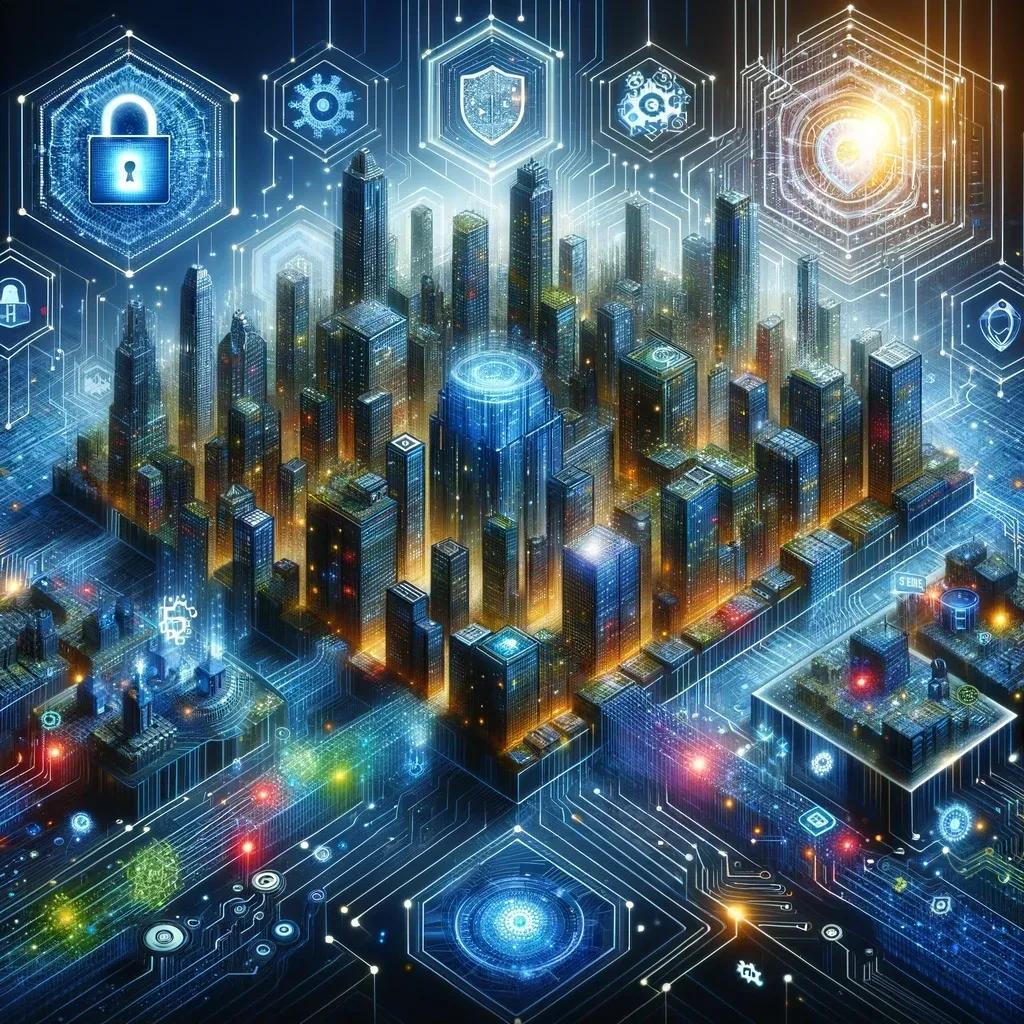
In the era of rapid technological evolution, the concept of Digital Twins has emerged as a cornerstone in the fields of Internet of Things (IoT), artificial intelligence (AI), and big data analytics. Originating from the realms of Building Information Modeling (BIM) and Geospatial Information Systems (GIS), Digital Twins have transcended their initial domains to become integral across various industries, including manufacturing, urban planning, healthcare, and even environmental monitoring. This proliferation, however, brings forth a significant challenge: the imperative of robust cybersecurity measures to protect these digital reflections of the physical world.
Understanding Digital Twins
A Digital Twin is a virtual replica of a physical entity or system, encompassing its properties, processes, and behaviors. These digital counterparts interact with their physical versions through sensors and IoT, receiving real-time data to simulate the physical state accurately. This allows for predictive analysis, maintenance, and the optimization of operations without directly interfering with the physical entity. The applications range from monitoring urban infrastructure and optimizing building layouts to predictive maintenance in manufacturing and personalized healthcare treatments.
The Cybersecurity Imperative
As these digital replicas become more intricate and interconnected, the potential cybersecurity risks escalate. The real-time data exchange between physical and digital entities presents a lucrative target for cyber threats, including data breaches, unauthorized access, and even sabotage. Protecting these digital entities is not just about safeguarding data; it's about ensuring the integrity of the systems that our physical world increasingly relies upon.
Vulnerabilities in Digital Twins
Data Interception : The continuous data flow between the digital and physical counterparts is susceptible to interception, posing risks of sensitive information theft or manipulation.
Unauthorized Access : Digital Twins, being accessible online, can be vulnerable to unauthorized access, leading to potential misuse or sabotage of the physical entity it represent.
Integrity Attacks : Altering the data or algorithms within a Digital Twin can lead to incorrect predictions or analyses, potentially causing physical harm or financial losses.
Strategies for Enhancing Cybersecurity
Robust Encryption : Implementing state-of-the-art encryption for data at rest and in transit between the digital and physical counterparts is crucial. This ensures that even if data is intercepted, it remains indecipherable to unauthorized parties.
Access Control : Stringent access controls and authentication mechanisms ensure that only authorized personnel can interact with the Digital Twin. Techniques such as multi-factor authentication, role-based access control, and the principle of least privilege can significantly mitigate unauthorized access risks.
Continuous Monitoring and Anomaly Detection : Leveraging advanced AI and machine learning algorithms for continuous monitoring can help detect and respond to unusual activities or potential cybersecurity threats in real-time.
Regular Updates and Patch Management : Keeping the software and hardware components of Digital Twins updated with the latest security patches is fundamental. Vulnerabilities are regularly identified and can be exploited if not promptly addressed.
Incident Response and Recovery Plans : Establishing comprehensive incident response and recovery plans ensures preparedness for potential cybersecurity incidents, minimizing their impact and facilitating a swift return to normal operations.
Conclusion
The integration of Digital Twins into our operational and infrastructural ecosystems marks a significant leap forward in efficiency and innovation. However, the increasing complexity and interconnectedness of these systems underscore the critical importance of cybersecurity. Safeguarding our digital counterparts from cyber threats is not merely a technical challenge but a fundamental aspect of ensuring the resilience and reliability of the systems that underpin modern society. As we advance, the synergy between technological innovation and cybersecurity will become increasingly pivotal, dictating the success and sustainability of Digital Twins in enhancing our physical and digital realms.
In essence, the journey towards harnessing the full potential of Digital Twins is intertwined with our ability to protect these digital entities from the myriad of cybersecurity threats they face. As industries continue to evolve and digitalize, the role of cybersecurity in ensuring the safe and effective use of Digital Twins will only grow in importance. By adopting a proactive and comprehensive approach to cybersecurity, we can not only protect our digital counterparts but also unlock new horizons of innovation and efficiency across the spectrum of human endeavor.