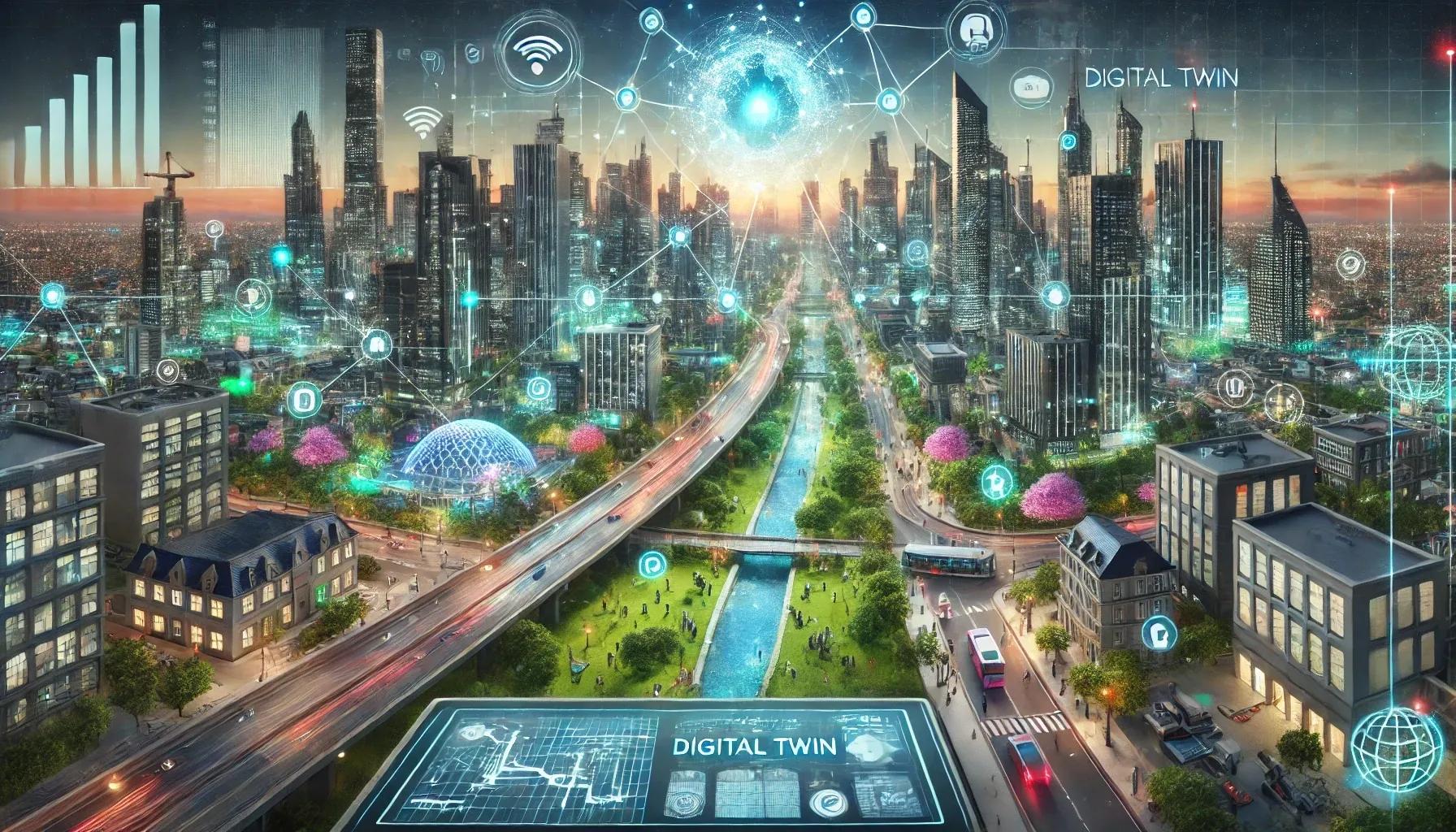
As urban areas continue to expand and evolve, the integration of cutting-edge technologies becomes imperative to manage the complexities and demands of modern cities. Among these technologies, digital twins stand out as transformative tools with the potential to revolutionize urban management, planning, and development. Over the next decade, the synergy between digital twins and smart cities is expected to yield unprecedented advancements, offering a glimpse into a future where cities are not only smarter but also more sustainable and resilient.
Understanding Digital Twins
A digital twin is a virtual replica of a physical entity, encompassing buildings, infrastructure, and entire urban environments. These replicas are created using a combination of data from sensors, IoT devices, and advanced simulation models. Digital twins enable real-time monitoring, analysis, and optimization of physical assets and systems, providing a comprehensive understanding of their performance and behavior.
The Role of Digital Twins in Smart Cities
Smart cities leverage digital technologies to enhance the quality of life for their inhabitants, improve sustainability, and streamline urban operations. Digital twins are integral to this paradigm, offering a dynamic platform for data-driven decision-making. Here’s how digital twins are expected to shape the future of smart cities over the next decade:
Enhanced Urban Planning and Development
Urban planning has always been a complex endeavor, requiring the balancing of numerous variables and stakeholders' interests. Digital twins provide urban planners with an unprecedented tool to visualize and simulate different development scenarios. By creating a virtual model of the city, planners can analyze the potential impacts of new constructions, infrastructure changes, and policy implementations. This predictive capability enables more informed decisions, reducing the risk of costly mistakes and enhancing the overall efficiency of urban development.
Improved Infrastructure Management
The management of urban infrastructure, such as roads, bridges, water systems, and power grids, is a critical aspect of city governance. Digital twins allow for the real-time monitoring of these assets, identifying issues before they escalate into major problems. For instance, sensor data can feed into the digital twin to detect structural weaknesses in bridges or leaks in water systems. This proactive approach to maintenance not only extends the lifespan of infrastructure but also ensures the safety and well-being of city residents.
Energy Efficiency and Sustainability
As cities strive to reduce their carbon footprint and embrace sustainability, digital twins offer a powerful tool for achieving these goals. By simulating energy consumption patterns and integrating renewable energy sources, digital twins can help optimize energy use across the city. For example, the digital twin of a building can simulates different heating, ventilation, and air conditioning (HVAC) strategies to identify the most energy-efficient configuration. On a larger scale, city planners can use digital twins to design smart grids that efficiently distribute electricity and reduce waste.
Disaster Management and Resilience
Natural disasters, such as earthquakes, floods, and hurricanes, pose significant threats to urban areas. Digital twins can play a crucial role in enhancing a city’s resilience to such events. By simulating disaster scenarios and their impacts on urban infrastructure, digital twins enable authorities to develop effective emergency response plans and allocate resources more efficiently. Additionally, real-time data from sensors can help monitor evolving situations, allowing for timely interventions and minimizing damage.
Transportation and Mobility
Efficient transportation systems are the backbone of any smart city. Digital twins can revolutionize urban mobility by providing detailed insights into traffic patterns, public transit usage, and pedestrian flows. By analyzing this data, city planners can optimize traffic management, reduce congestion, and improve public transportation services. Furthermore, digital twins can facilitate the integration of emerging transportation technologies, such as autonomous vehicles and drone deliveries, ensuring that cities remain at the forefront of innovation.
Citizen Engagement and Participation
The success of smart cities depends not only on technology but also on the active participation of their residents. Digital twins can enhance citizen engagement by providing transparent and accessible information about urban projects and policies. Virtual models of the city can be shared with the public, allowing citizens to visualize proposed developments and provide feedback. This participatory approach fosters a sense of ownership and collaboration, leading to more inclusive and democratic urban governance.
Challenges and Considerations
While the potential of digital twins in smart cities is immense, several challenges must be addressed to realize their full benefits. These include:
Data Security and Privacy
The implementation of digital twins requires the collection and analysis of vast amounts of data, raising concerns about data security and privacy. Ensuring that this data is protected from cyber threats and used responsibly is paramount. Policymakers and technology providers must collaborate to establish robust data governance frameworks that safeguard citizens' privacy while enabling the effective use of digital twins.
Interoperability and Standardization
For digital twins to function seamlessly, there must be interoperability between different systems and platforms. The lack of standardized protocols and data formats can hinder the integration of digital twins across various urban domains. Developing industry-wide standards and promoting collaboration among stakeholders will be essential to overcoming these barriers.
Cost and Resource Allocation
The development and maintenance of digital twins requires significant investments in technology and expertise. Cities must carefully consider the cost-benefit ratio and allocate resources judiciously. Public-private partnerships and innovative financing models can help alleviate the financial burden and accelerate the adoption of digital twins.
Looking Ahead: The Future of Digital Twins and Smart Cities
As we look to the future, the integration of digital twins in smart cities is poised to accelerate, driven by advancements in AI, machine learning, and IoT. Here are some key trends and developments to watch for in the next decade:
Integration of AI and Machine Learning
The incorporation of AI and machine learning algorithms will enhance the predictive capabilities of digital twins. These technologies can analyze historical data to identify patterns and predict future outcomes with greater accuracy. For example, AI-powered digital twins can forecast traffic congestion based on real-time data and historical trends, enabling proactive traffic management strategies.
Expansion of IoT Networks
The proliferation of IoT devices will provide digital twins with an even richer stream of data, enhancing their accuracy and reliability. Smart sensors embedded in urban infrastructure will continuously feed data into the digital twin, creating a dynamic and real-time representation of the city. This continuous flow of data will enable more responsive and adaptive urban management.
Collaboration and Open Data Initiatives
Collaboration between cities, technology providers, and research institutions will be crucial to the success of digital twins. Open data initiatives, where cities share anonymized data with the public and other stakeholders, can foster innovation and drive the development of new applications. Collaborative platforms will allow cities to learn from each other’s experiences and best practices.
Human-Centered Design
As digital twins become more sophisticated, there will be a greater emphasis on human-centered design. This approach focuses on creating digital twin interfaces that are intuitive and accessible to a wide range of users, from urban planners to ordinary citizens. By prioritizing usability, digital twins can become valuable tools for enhancing public engagement and participation.
In conclusion, the next decade promises significant advancements in the integration of digital twins and smart cities. As cities continue to grow and evolve, digital twins will play a pivotal role in enhancing urban planning, infrastructure management, energy efficiency, disaster resilience, transportation, and citizen engagement. While challenges such as data security, interoperability, and cost remain, the potential benefits far outweigh the obstacles. By embracing digital twins, cities can become smarter, more sustainable, and more resilient, ultimately improving the quality of life for their residents.