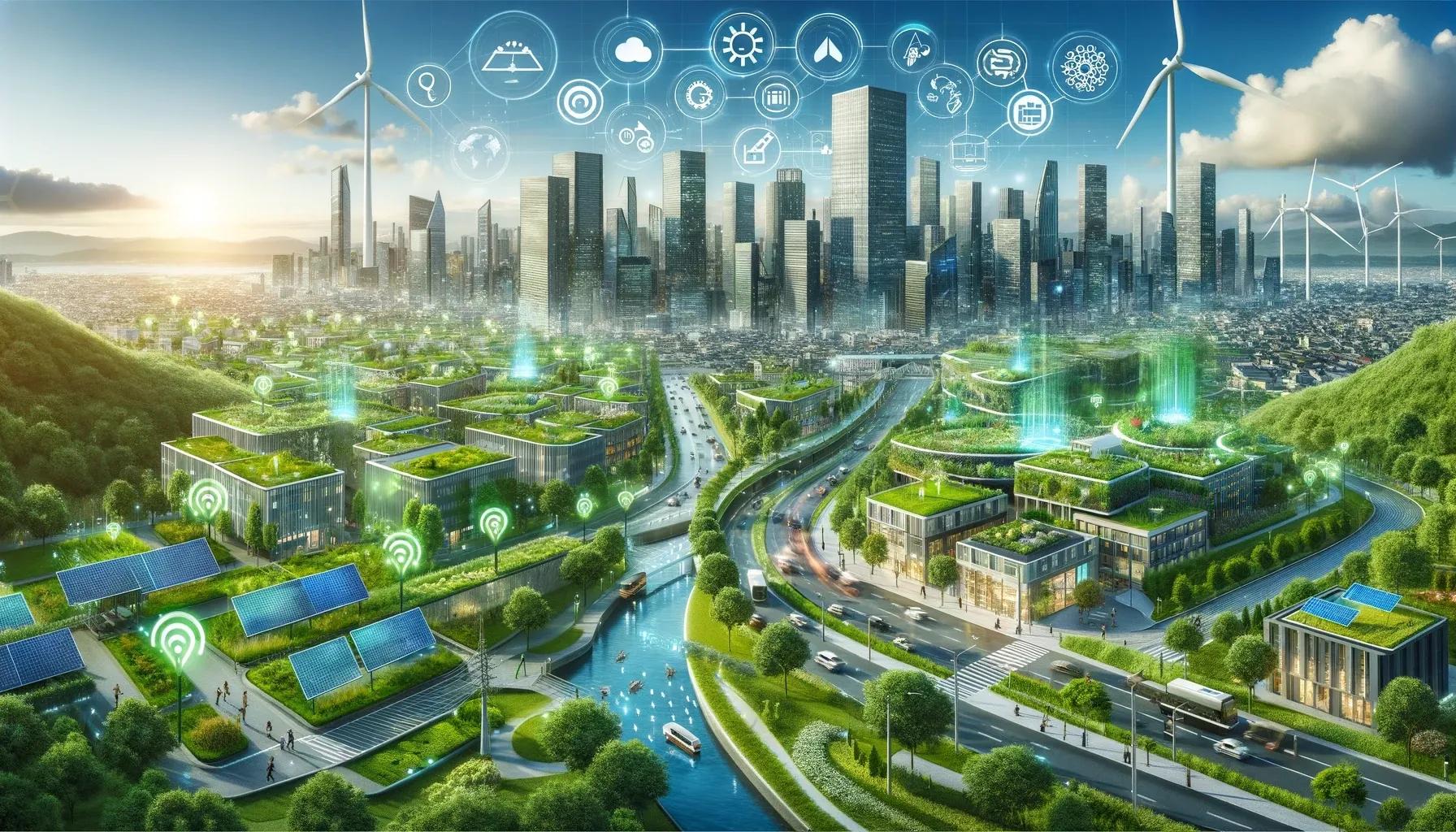
In the face of escalating climate change impacts, urban areas worldwide are grappling with challenges that threaten their sustainability, liveability, and resilience. The rapid urbanization process, coupled with the adverse effects of climate change, such as rising temperatures, sea-level rise, and an increased frequency of extreme weather events, has necessitated the urgent need for innovative solutions. Smart city technologies emerge as a beacon of hope, offering a pathway to enhance urban resilience through intelligent, efficient, and sustainable practices. This article delves into the interplay between climate change and smart city solutions, highlighting how these technologies are instrumental in fostering urban resilience.
Understanding the Climate Change Challenge in Urban Contexts
Urban areas are particularly vulnerable to climate change due to their high density of population, infrastructure, and economic activities. Cities contribute to over 70% of global carbon emissions, making them critical players in the fight against climate change. The urban heat island effect, where cities experience significantly warmer temperatures than their rural counterparts, exacerbates local climate conditions, affecting public health, energy consumption, and environmental quality.
Moreover, the increased frequency of extreme weather events, such as floods, heatwaves, and hurricanes, poses significant risks to urban infrastructure, economies, and communities. These challenges necessitate a rethinking of urban planning and management practices, with a strong emphasis on sustainability and resilience.
The Role of Smart City Solutions in Addressing Climate Change
Smart city solutions leverage information and communication technologies (ICT) to optimize city functions, improve the quality of life for residents, and minimize environmental impact. At the heart of these solutions is the collection, analysis, and application of data to inform decision-making processes and manage urban systems efficiently. These technologies play a crucial role in enhancing urban resilience against climate change in several ways:
1. Enhanced Monitoring and Management of Environmental Conditions
Smart sensors and IoT (Internet of Things) devices can monitor environmental conditions in real-time, including air and water quality, temperature, and humidity levels. This data allows for timely responses to environmental hazards and supports the implementation of policies for reducing pollution and mitigating the urban heat island effect. For instance, smart urban forestry management can optimize the placement of green spaces to maximize their cooling effects and carbon sequestration capabilities.
2. Smart Energy Systems
Intelligent energy management systems can significantly reduce urban carbon footprints by optimizing energy production, distribution, and consumption. Smart grids, renewable energy sources, and energy-efficient buildings contribute to a sustainable urban energy ecosystem. These systems can adjust energy usage in real-time based on demand, weather conditions, and the availability of renewable energy, thus reducing reliance on fossil fuels and lowering greenhouse gas emissions.
3. Adaptive Urban Infrastructure
Smart infrastructure, such as permeable pavements, green roofs, and automated flood defenses, can adapt to changing environmental conditions and mitigate the impacts of extreme weather events. Smart water management systems ensure efficient use of water resources, reducing wastage and enhancing the city's resilience to droughts and floods. Furthermore, intelligent transportation systems optimize traffic flow, reducing congestion and emissions from vehicles.
4. Public Engagement and Awareness
Smart city platforms facilitate greater public engagement in sustainability and resilience efforts through apps and online portals. These tools empower citizens to contribute to environmental monitoring, participate in energy-saving programs, and engage in community resilience initiatives. By fostering a culture of sustainability, cities can harness the collective effort of their residents towards mitigating climate change impacts.
5. Data-Driven Decision Making
At the core of smart city solutions is the use of big data analytics and AI to inform urban planning and policy decisions. Predictive modeling and scenario analysis help city planners and policymakers anticipate the impacts of climate change, identify vulnerabilities, and develop strategies for adaptation and mitigation. This approach ensures that urban development is aligned with sustainability goals and resilience objectives.
Challenges and Future Directions
While smart city technologies offer promising solutions to the challenges posed by climate change, their implementation is not without obstacles. Issues related to data privacy, cybersecurity, and the digital divide must be addressed to ensure equitable access to the benefits of smart city initiatives. Moreover, the integration of these technologies requires substantial investment, collaboration among stakeholders, and a shift towards more sustainable consumption patterns.
The future of urban resilience lies in the innovative application of smart technologies, coupled with strong governance, community engagement, and sustainable practices. As cities continue to evolve in response to climate change, the adoption of smart solutions will be key to ensuring their resilience, sustainability, and livability for future generations.
In conclusion, climate change poses significant challenges to urban areas, but it also presents an opportunity to rethink and redesign cities for a more sustainable and resilient future. Smart city technologies offer powerful tools for enhancing urban resilience, enabling cities to monitor and manage environmental conditions, optimize energy and infrastructure, and engage the public in sustainability efforts. However, the successful implementation of these technologies requires addressing technical, social, and economic challenges. As cities around the world strive to mitigate the impacts of climate change, smart city solutions stand out as a critical component of their resilience strategies, promising a brighter, more sustainable future for urban populations.