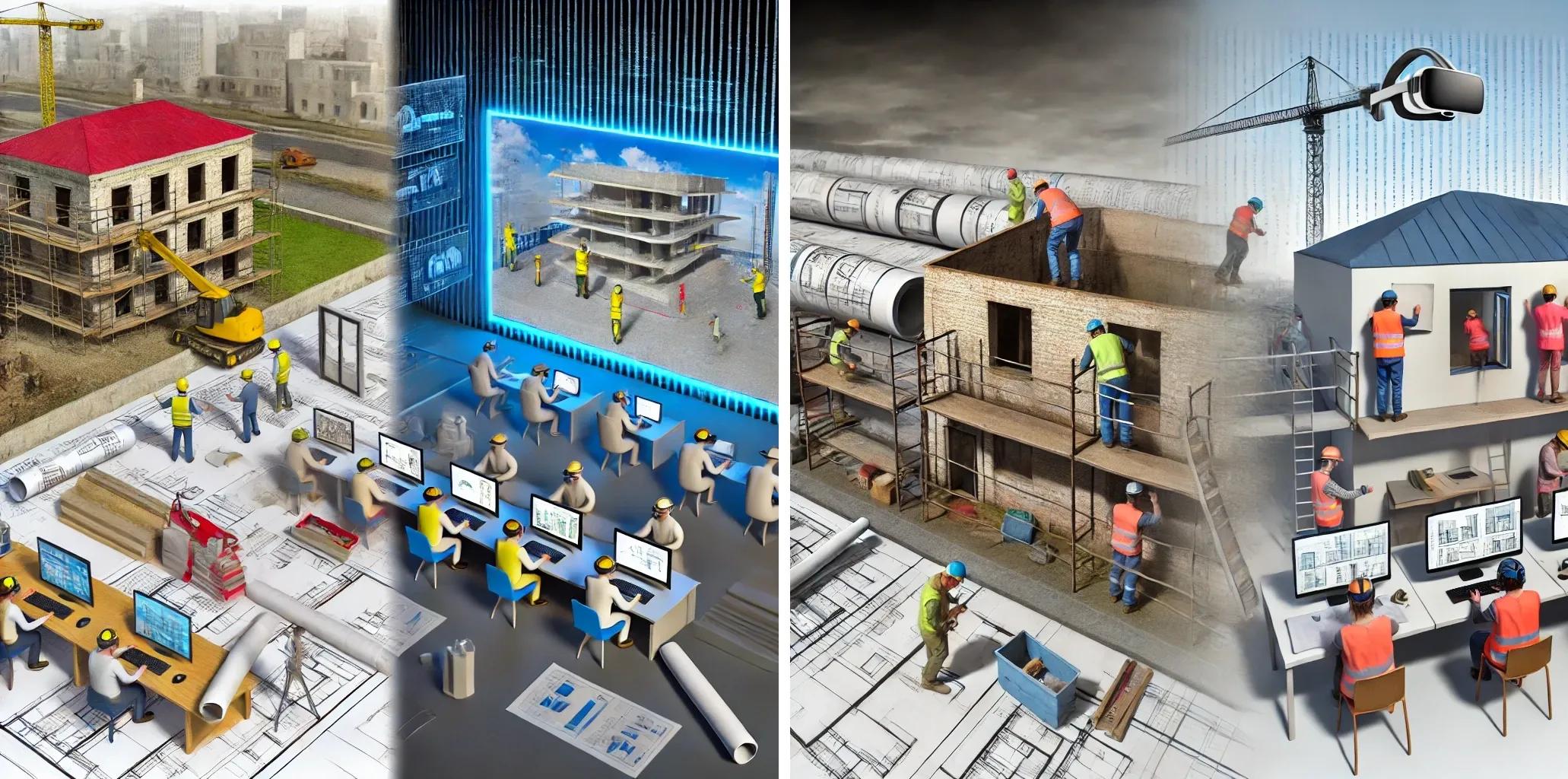
The adoption of Building Information Modeling (BIM) has been a significant catalyst for transformation in the Architecture, Engineering, and Construction (AEC) industry. BIM, which encompasses a suite of digital tools and methodologies, enables better visualization, collaboration, and information sharing among all stakeholders in a construction project. However, despite its clear advantages, BIM adoption faces resistance within traditional construction firms that have long relied on conventional methods. This article explores the cultural and organizational challenges that inhibit the adoption of BIM in traditional construction firms and suggests strategies to overcome these barriers.
1. Understanding the Resistance to BIM
Resistance to BIM in traditional construction firms stems from multiple factors: unfamiliarity with digital tools, entrenched processes, and a lack of perceived need for change. For many construction firms, the current methods of designing and building have been effective for decades. BIM requires a fundamental shift in project management and data handling, which often conflicts with the established norms of many organizations. Furthermore, the learning curve associated with BIM software and workflows can appear daunting, especially to seasoned professionals who have built their careers on manual methods.
Moreover, BIM demands a collaborative approach to project execution, which contrasts sharply with the more segmented roles in traditional construction workflows. BIM encourages an integrated project delivery model where architects, engineers, contractors, and owners work together from the outset, breaking down silos and fostering a new level of transparency. This collaborative model can be perceived as a threat to traditional hierarchical structures, where each stakeholder operates independently. The fear of losing control, combined with an aversion to taking on additional upfront costs for technology and training, intensifies resistance to change.
2. Cultural Barriers in Traditional Construction Firms
One of the most significant barriers to BIM adoption in traditional firms is a culture rooted in established methods and resistant to digital transformation. Construction firms with a long-standing history often view changes with skepticism, perceiving new methods as disruptive rather than beneficial. This cultural inertia manifests in several ways:
Top-Down Resistance : Leadership in traditional construction firms may be hesitant to invest in new technology if they don’t see an immediate ROI. Leaders may also lack technical understanding of BIM’s benefits, making them reluctant to champion the transition.
Employee Reluctance : Employees accustomed to manual drafting and document-based project management may feel overwhelmed by BIM’s complexity. They may also fear that BIM could render their skills obsolete, leading to job insecurity.
Lack of Collaborative Culture : Traditional construction firms often operate in silos, with minimal collaboration between departments. BIM, by contrast, promotes a collaborative environment where information flows freely across disciplines, which can be a drastic change for firms used to compartmentalized operations.
To successfully transition to BIM, construction firms need to cultivate a culture that values innovation, collaboration, and lifelong learning. Without these cultural shifts, any technical advancements brought by BIM adoption will struggle to gain a foothold.
3. Organizational Challenges in BIM Adoption
Beyond cultural resistance, organizational challenges also pose significant barriers to BIM implementation. For many traditional firms, the transition to BIM requires a substantial reorganization of processes, resources, and workflows, often resulting in short-term disruptions. Key organizational challenges include:
Initial Investment in Technology : BIM requires significant initial investments in software, hardware, and training. Traditional firms, especially smaller ones, may not have the resources or appetite for this expenditure, viewing it as a costly and uncertain gamble.
Skill Gaps and Training Needs : BIM implementation demands a workforce skilled in digital modeling and data management. For firms with a predominantly older workforce, retraining employees in BIM can be challenging. Hiring new, tech-savvy professionals can also pose difficulties, as traditional firms may not be as attractive to younger talents familiar with BIM practices.
Process Reengineering : BIM adoption involves reengineering workflows to incorporate digital information management, often disrupting established processes. This can lead to confusion, inefficiencies, and even project delays during the initial stages of BIM integration.
Data Management and Interoperability : Effective BIM requires robust data management practices and seamless integration with other tools used in construction projects. For firms not accustomed to managing digital data, ensuring data accuracy, consistency, and security can be a steep learning curve. Additionally, interoperability between different software platforms remains a challenge in many BIM environments.
4. Strategies to Overcome Resistance to BIM
Despite the challenges, there are actionable strategies that traditional construction firms can employ to overcome resistance and facilitate a smoother transition to BIM. Here are several key approaches:
a. Executive Sponsorship and Change Leadership
To drive BIM adoption, strong executive sponsorship is essential. Leaders in construction firms should educate themselves on the long-term benefits of BIM, including enhanced project efficiencies, reduced costs, and better client satisfaction. Executive leaders must communicate these benefits to the entire organization, setting a clear vision for BIM’s role in the company’s future.
By appointing a BIM champion, an individual or team dedicated to overseeing BIM implementation, firms can ensure that the transition is both strategic and sustained. This champion can coordinate training, monitor progress, and address concerns as they arise.
b. Invest in Training and Upskilling
One of the primary reasons for resistance among employees is a lack of understanding and familiarity with BIM tools. Investing in comprehensive training programs can alleviate these concerns. Firms can create training schedules that allow employees to gradually learn BIM skills without disrupting their ongoing work responsibilities. Additionally, offering certifications or career growth opportunities related to BIM can incentivize employees to embrace these new skills.
Moreover, many firms find value in hiring external BIM consultants or partnering with technology vendors who offer onboarding and training services. By involving experts, firms can mitigate common pitfalls associated with BIM implementation.
c. Foster a Collaborative Culture
Since BIM promotes collaboration, fostering a culture that values teamwork and open communication is essential. Firms can organize team-building activities and collaborative workshops that break down silos and encourage cross-departmental interaction. Encouraging departments to share knowledge and insights regularly will make the transition to BIM smoother and foster a sense of collective responsibility for project success.
Project kickoff meetings with all stakeholders, architects, engineers, project managers, and owners, can help set the tone for a collaborative project lifecycle. Establishing a clear communication plan and using BIM as a shared platform will enable all parties to have access to updated information and reduce potential friction points.
d. Start with Pilot Projects
To minimize disruption, firms can initiate BIM adoption with small pilot projects. By applying BIM principles to less complex projects, firms can observe the benefits without overwhelming their teams. These pilot projects can serve as valuable learning experiences, providing insights into areas where additional training or process adjustments may be necessary. Positive outcomes from pilot projects can also help build confidence and support wider BIM implementation within the organization.
e. Emphasize Long-Term Value and ROI
Traditional construction firms are often focused on cost-effectiveness and immediate returns, so emphasizing the long-term value of BIM is crucial. While BIM requires an upfront investment, it offers substantial savings and efficiency gains over the lifecycle of a project. Firms can use case studies, industry reports, and testimonials to illustrate the ROI of BIM adoption. By framing BIM as a long-term strategic investment rather than an immediate expense, firms can encourage a shift in mindset among stakeholders.
Conclusion: Navigating the Path to BIM Transformation
BIM holds immense potential to revolutionize the construction industry by enabling streamlined processes, improved project outcomes, and enhanced collaboration. However, traditional construction firms face unique cultural and organizational barriers that can hinder BIM adoption. By addressing these challenges through executive sponsorship, comprehensive training, a collaborative culture, pilot projects, and a focus on long-term value, firms can successfully change mindsets and embrace BIM.
The journey to BIM adoption may be gradual, but with commitment and strategic planning, traditional firms can leverage BIM to stay competitive in a rapidly evolving industry. Overcoming resistance requires not only technical adjustments but a fundamental cultural shift, a move towards a future where BIM is integral to construction, ensuring projects are not just built, but digitally crafted for optimal performance and sustainability.