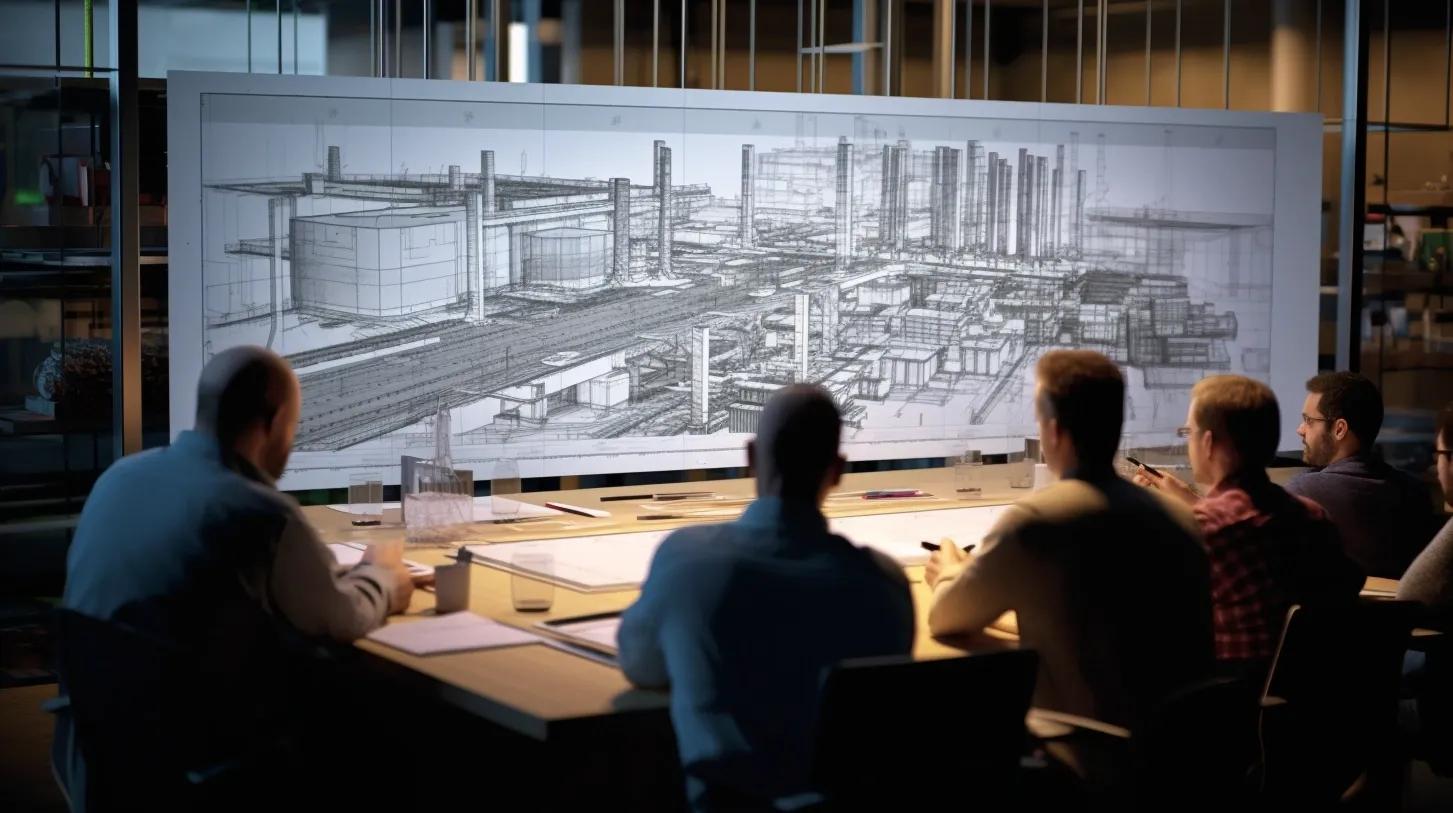
The Architecture, Engineering, and Construction (AEC) sector is undergoing a transformative phase, fueled by technological advancements like Building Information Modeling (BIM), Geographical Information Systems (GIS), and Light Detection and Ranging (LiDAR). While these technologies offer unprecedented capabilities in spatial data collection, analysis, and visualization, they also bring forth a set of challenges that AEC professionals must navigate. This article aims to dissect some of these challenges, particularly focusing on the adoption and implementation of LiDAR technology.
Funding Equipment Costs
One of the most immediate challenges in leveraging LiDAR technology in the AEC sector is the high initial investment required for state-of-the-art equipment. LiDAR scanners, along with the software required for data processing and analysis, can be prohibitively expensive for small to medium-sized enterprises (SMEs). This financial barrier often restricts these firms from adopting the technology, thereby limiting their competitive edge.
While larger firms may have the capital to invest, the rapid pace of technological advancements means that today's cutting-edge equipment may become obsolete in a few years. This creates a cycle of continuous investment, which can strain the financial resources of even well-established companies.
Managing Client Demands
The AEC sector is client-driven, with each project having its unique set of requirements and challenges. Clients often demand high-quality deliverables within tight timelines and budgets. Balancing these demands while integrating complex LiDAR data into project workflows can be a daunting task.
Moreover, clients may lack the technical expertise to understand the nuances and potential of LiDAR technology fully. This gap in understanding can lead to unrealistic expectations, putting additional pressure on service providers to deliver results that may not be feasible given the limitations of current technology.
Pricing Policy and the Downward Spiral
The increasing accessibility of LiDAR technology has led to a surge in service providers, resulting in fierce competition. Unfortunately, this competition often manifests as a 'race to the bottom' in pricing strategies. Firms may undercut their prices to secure contracts, inadvertently compromising on the quality of service.
This downward spiral is exacerbated by the clients' general lack of expertise in differentiating between high-quality and low-quality LiDAR services. Consequently, decisions are often made based on price rather than quality, which is detrimental to both the client and the service provider.
Keeping Up with Technological Trends
The AEC sector is dynamic, with new technologies and methodologies emerging at a rapid pace. Staying updated with these trends is not just beneficial but essential for survival. However, the speed at which new technologies, software updates, and best practices are introduced makes it challenging for firms to keep up.
For SMEs with limited resources, this challenge is even more pronounced. They must make judicious decisions about which technologies to adopt and when, as making the wrong choice can result in wasted resources and lost opportunities.
Communication and Consultancy
Effective communication is the cornerstone of any successful project in the AEC sector. This is especially true when implementing advanced technologies like LiDAR. Service providers must be adept at not just the technical aspects but also in consulting and advising clients on the best ways to leverage these technologies.
The importance of communication extends to internal team interactions as well. Engineers, surveyors, and other professionals within the firm must collaborate seamlessly to integrate LiDAR data effectively into the project workflow. Any communication breakdown can lead to delays, increased costs, and compromised quality.
In conclusion, the challenges in implementing LiDAR technology in the AEC sector are multifaceted, ranging from financial constraints and client demands to technological advancements and effective communication. While these challenges are significant, they are not insurmountable. Strategic planning, continuous learning, and a focus on quality over price can go a long way in overcoming these hurdles.
As the AEC sector continues to evolve, professionals must adapt and innovate to turn these challenges into opportunities for growth and excellence. After all, the ultimate aim is to harness the full potential of technologies like LiDAR to create more efficient, sustainable, and innovative built environments.