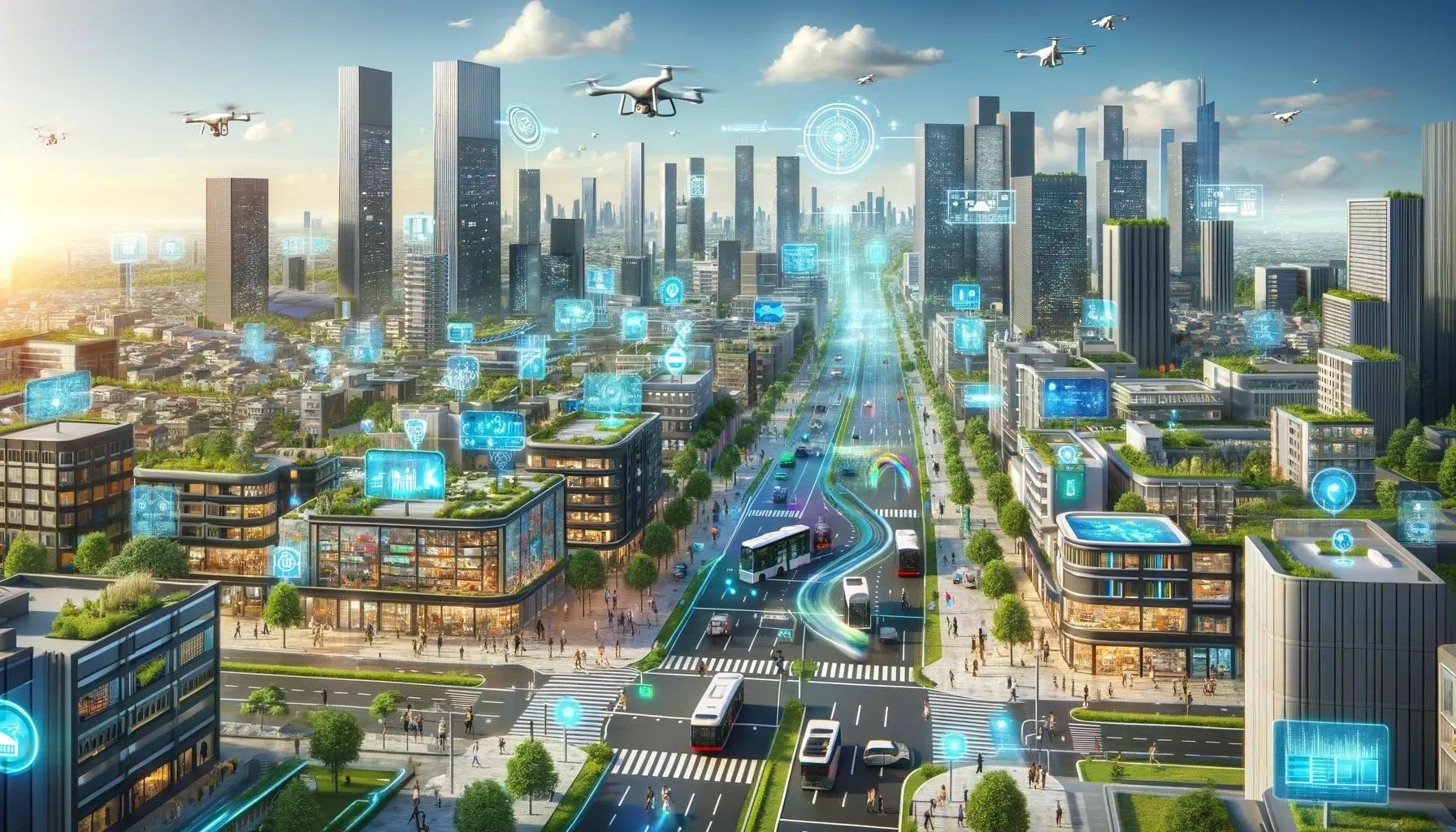
In the 21st century, the concept of smart cities has evolved from a futuristic vision to a tangible goal for urban planners and governments around the world. Smart cities utilize Information and Communication Technologies (ICT) to enhance the quality and performance of urban services such as energy, transportation, and utilities to reduce resource consumption, wastage, and overall costs. However, the road to achieving smart city status is fraught with challenges, even as it brims with opportunities. This article delves into these challenges and opportunities, offering a comprehensive overview of what it takes to build a smart city.
Challenges in Building Smart Cities
Technological Integration and Infrastructure : One of the primary hurdles in developing smart cities is the integration of advanced technologies into existing urban infrastructure. Cities must upgrade their infrastructure to support IoT (Internet of Things) devices, high-speed internet, and data centers. This transition requires significant investment and poses logistical challenges, particularly in older cities with outdated infrastructure.
Data Privacy and Security : The backbone of a smart city is data. As cities become more digitized, concerns about data privacy and cybersecurity become paramount. Protecting the vast amounts of data collected from smart devices against breaches is a significant challenge that requires robust security protocols and continuous monitoring.
Funding and Investment : Building a smart city requires substantial financial investment. Securing this funding, whether through public or private channels, is often a challenge. It requires convincing stakeholders of the long-term benefits and ROI (Return on Investment) of such an investment.
Public Acceptance and Awareness : The success of a smart city project also hinges on public acceptance. Citizens often have concerns about privacy, the potential loss of jobs due to automation, and changes in their daily lives. Overcoming these concerns requires effective communication and education about the benefits of smart cities.
Governance and Policy Issues : Navigating the complex landscape of governance and policy-making poses another challenge. Smart city initiatives often require changes in local laws, regulations, and policies, which can be a time-consuming and politically sensitive process.
Opportunities Arising from Smart City Development
Enhanced Urban Efficiency and Sustainability : One of the most significant benefits of smart cities is the potential for improved efficiency and sustainability. Smart technologies can optimize the use of resources, reduce waste, and minimize environmental footprints. This includes smarter energy grids, more efficient waste management systems, and improved water conservation measures.
Improved Quality of Life : Smart cities promise an enhanced quality of life for their inhabitants. This includes better traffic management leading to reduced congestion, improved public transport, smarter healthcare systems, and more efficient public services. This not only makes urban living more convenient but also healthier and safer.
Economic Growth and Job Creation : The shift towards smart cities opens up new avenues for economic growth. It fosters a market for innovative technologies and services, thus creating new job opportunities. Moreover, a well-implemented smart city can attract businesses and talent, further boosting the local economy.
Data-Driven Decision Making : The use of Big Data and analytics in smart cities allows for more informed and effective decision-making. Urban planners and policymakers can use real-time data to make decisions that are more responsive to the actual needs and behaviors of the city’s inhabitants.
Enhanced Disaster Response and Resilience : Smart cities, with their interconnected systems and real-time data, are better equipped to handle emergencies and natural disasters. They can quickly reroute traffic, allocate resources efficiently, and provide critical information to citizens during a crisis.
Overcoming Challenges: The Path Forward
To overcome the challenges of building smart cities, a multi-pronged approach is necessary:
Public-Private Partnerships (PPP) : Collaborations between the government and private sector can provide the necessary funding and expertise. PPPs can help in sharing the risks and benefits associated with the development of smart city infrastructure.
Community Engagement : Involving citizens in the planning and implementation process can foster public acceptance and offer valuable insights into the actual needs of the community.
Policy Frameworks and Standards : Developing clear policy frameworks and standards can address issues related to governance, data privacy, and security. This includes setting up regulatory bodies to oversee the implementation of smart city projects.
Focus on Scalability and Flexibility : Urban planners should design smart city initiatives with scalability and flexibility in mind. This allows cities to start with small projects and scale up based on success and learning.
Investment in Human Capital : Besides technological investments, cities must also focus on developing the skills of their workforce. Training and education programs are essential to prepare workers for the demands of a smart city environment.
In conclusion, Building smart cities presents a complex interplay of challenges and opportunities. While the hurdles are significant, ranging from technological integration to governance issues, the opportunities they present in terms of efficiency, sustainability, and quality of urban life are unparalleled. By adopting a strategic, inclusive, and forward-thinking approach, cities can navigate these challenges and harness the full potential of smart city technologies, paving the way for a more sustainable and resilient urban future.