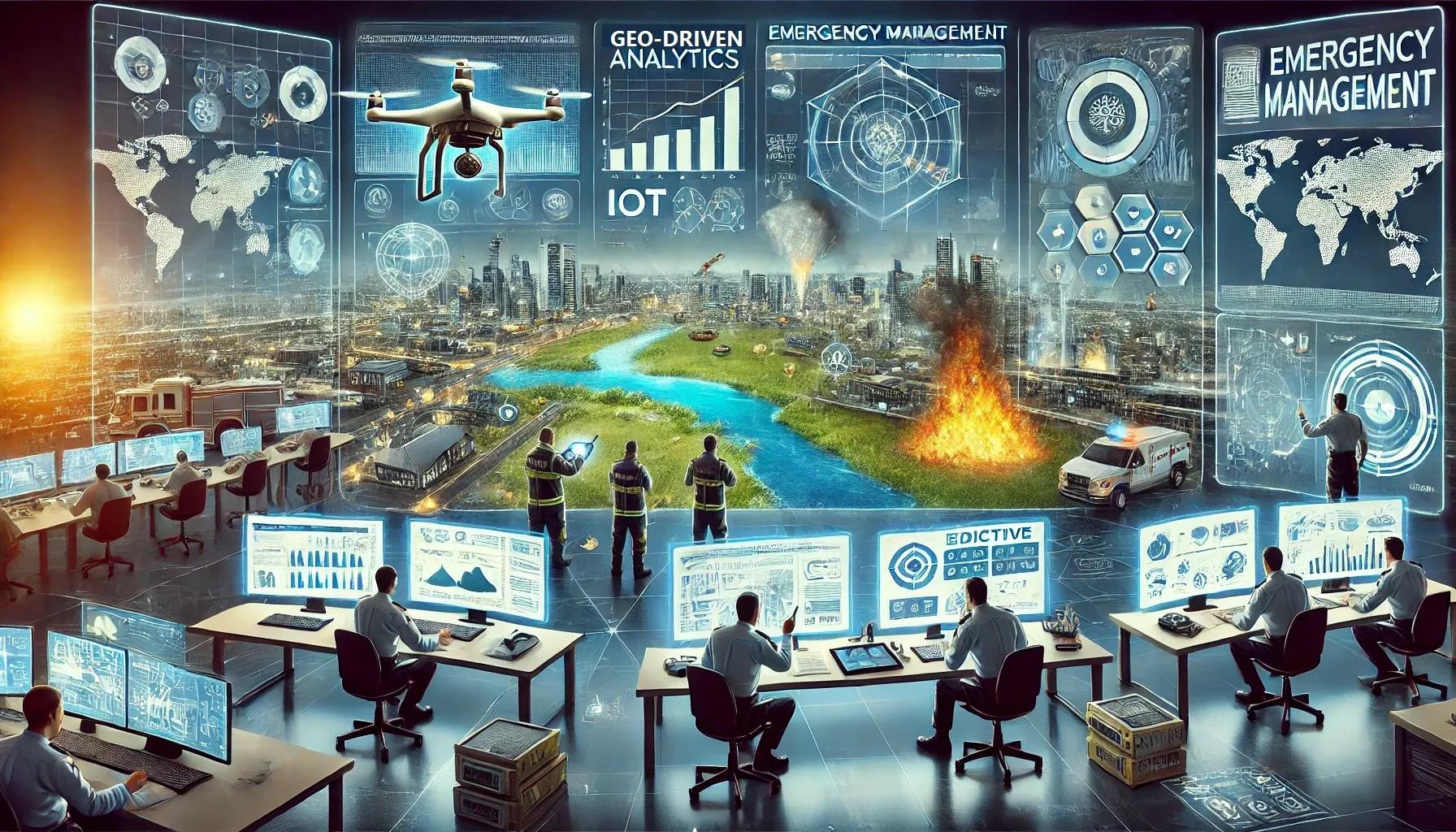
In an era defined by rapid urbanization, climate change, and increasing technological interconnectivity, the resilience of societies to withstand emergencies is more critical than ever. From natural disasters to man-made crises, the demand for robust, scalable emergency management solutions has grown exponentially. These systems must not only address the immediate impacts of disasters but also contribute to long-term societal resilience. This article explores the essential elements, technological underpinnings, and strategies required to achieve scalable emergency management solutions.
The Foundations of Resilience in Emergency Management
Resilience refers to the ability of a system, community, or society to resist, absorb, and recover from the effects of hazards in a timely and efficient manner. At its core, emergency management comprises four critical phases: mitigation, preparedness, response, and recovery. Each phase requires robust infrastructure, data-driven decision-making, and stakeholder collaboration to ensure that communities can bounce back stronger from crises.
Scalability , in the context of emergency management, refers to the system’s capacity to adapt to the scale and scope of an incident. A scalable solution should be equally effective in managing localized emergencies, such as urban fires, as it is in responding to regional or global crises like pandemics or large-scale natural disasters.
Key Components of Scalable Emergency Management Solutions
Integrated Command and Control Centers Modern emergency management relies heavily on centralized command centers equipped with geospatial tools, real-time analytics, and advanced communication systems. These centers act as nerve hubs, consolidating information from diverse sources to guide decision-making.
Geospatial Technology Geographic Information Systems (GIS) and remote sensing play pivotal roles in identifying vulnerable areas, mapping disaster-prone zones, and tracking dynamic developments during crises. GIS facilitates visualization and analysis, enabling responders to deploy resources more efficiently.
Digital Twins Digital twin technology enables the creation of virtual replicas of physical environments. By integrating real-time data, digital twins allow emergency planners to simulate scenarios, assess risks, and develop mitigation strategies before disasters occur.
Internet of Things (IoT) and Sensors IoT-enabled devices, such as weather stations, flood sensors, and structural health monitors, provide continuous data streams. These inputs help emergency managers predict potential failures, issue timely alerts, and automate early warning systems.
Artificial Intelligence (AI) and Machine Learning (ML) AI and ML algorithms process vast datasets to predict disaster trajectories, assess resource needs, and optimize emergency responses. AI-driven chatbots can also provide real-time assistance to affected communities.
Scalable Communication Networks Communication is the lifeline of any emergency response. Scalable systems ensure that information flows seamlessly, even during peak demand. Mesh networks, satellite communications, and 5G technologies enhance connectivity in areas with damaged infrastructure.
Cloud-Based Platforms Cloud computing supports scalability by providing on-demand access to critical applications and data. Emergency management platforms hosted on the cloud enable multi-agency collaboration and real-time updates without physical infrastructure limitations.
Challenges in Scaling Emergency Management Solutions
Data Integration and Interoperability Emergency management involves multiple stakeholders, government agencies, NGOs, private enterprises, and local communities, each using different data formats and platforms. Achieving seamless data integration and interoperability remains a significant challenge.
Resource Allocation Disparities in resources, both technological and financial, often hinder the scalability of solutions. Developing nations, in particular, face challenges in adopting advanced emergency management technologies.
Cybersecurity The increasing reliance on digital systems introduces vulnerabilities to cyberattacks. Ensuring the security of sensitive data and critical infrastructure is paramount in scalable systems.
Human-Centric Challenges Resistance to adopting new technologies, lack of training, and inadequate awareness among first responders and local communities can impede the effectiveness of emergency management solutions.
Strategies for Implementing Scalable Solutions
Adopting Standards and Frameworks Frameworks such as the National Disaster Management Plan (NDMP) or Sendai Framework for Disaster Risk Reduction emphasize reducing disaster risks through better governance, early warning systems, and enhanced resilience. Adopting such standards ensures uniformity and facilitates cooperation.
Leveraging Public-Private Partnerships Collaboration between governments and private organizations can accelerate the deployment of scalable solutions. For instance, tech companies can provide expertise in cloud computing, AI, and IoT, while governments offer regulatory support and funding.
Community-Centric Approaches Resilience begins at the grassroots level. Community engagement, training programs, and the inclusion of local knowledge in planning are vital for scalable solutions to succeed.
Building Modular Systems Modular solutions, where systems can be expanded or scaled down as needed, ensure adaptability. For example, IoT sensors can be deployed incrementally based on the area’s risk profile and budget constraints.
Simulation and Training Conducting regular simulations and drills using digital twins or virtual reality enhances preparedness and identifies gaps in the system. Training programs for first responders ensure effective utilization of advanced tools.
Case Studies: Successful Scalable Emergency Management Systems
India’s Cyclone Early Warning System India has implemented scalable cyclone warning systems combining satellite data, IoT sensors, and GIS. These systems have significantly reduced cyclone-related casualties in vulnerable coastal regions.
Singapore’s Smart Nation Initiative Singapore leverages IoT, big data, and AI to monitor real-time environmental conditions, manage traffic during evacuations, and deploy emergency services. Its scalable approach has become a benchmark for urban resilience.
The United States’ Federal Emergency Management Agency (FEMA) FEMA employs cloud-based platforms, GIS, and mobile apps to coordinate responses across states. Its use of scalable communication networks ensures robust disaster response during hurricanes, wildfires, and floods.
Future Trends in Scalable Emergency Management
Decentralized Systems Distributed ledger technologies (e.g., blockchain) can provide transparency and security in resource allocation and aid distribution during emergencies.
Edge Computing Edge computing processes data closer to the source, reducing latency and ensuring rapid decision-making, even in areas with limited internet connectivity.
Autonomous Drones Equipped with cameras and sensors, drones provide real-time surveillance, deliver supplies, and assist in search-and-rescue missions, especially in inaccessible areas.
Predictive Analytics Predictive models, powered by AI, will play an increasingly critical role in foreseeing disasters, assessing potential impacts, and pre-emptively deploying resources.
Sustainability in Emergency Management Future systems must integrate sustainability by using renewable energy, recycling resources, and designing eco-friendly infrastructures to mitigate long-term environmental impacts.
In conclusion, building resilience through scalable emergency management solutions is a multidimensional endeavor that requires technological innovation, stakeholder collaboration, and a commitment to inclusivity. As disasters grow in frequency and intensity, scalable systems must evolve to address these challenges while adapting to the unique needs of different regions. By embracing advanced technologies like geospatial analytics, IoT, AI, and digital twins, societies can transform emergency management into a proactive and resilient framework.
The journey toward resilience is an ongoing process. Governments, organizations, and communities must work together to create scalable solutions that not only mitigate immediate threats but also build a foundation for a safer and more sustainable future. As we integrate technology with human ingenuity, the potential to save lives and protect livelihoods becomes boundless.