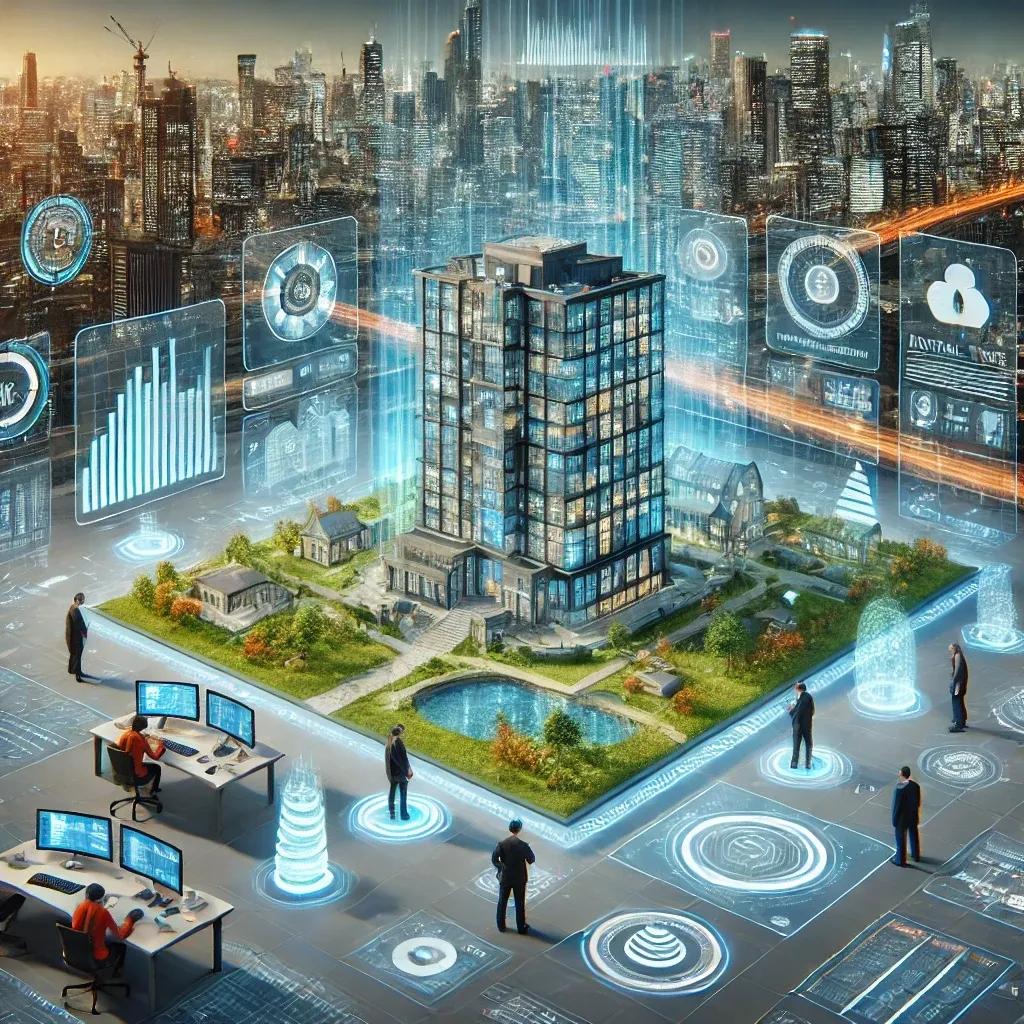
The convergence of the Metaverse with building lifecycle management represents a revolutionary shift in how properties are designed, monitored, maintained, and managed. By leveraging the power of 3D digital twins, stakeholders can achieve unprecedented levels of efficiency and collaboration across all phases of a building's lifecycle. This article delves into the innovations brought by the Metaverse in building management and highlights the best practices for leveraging these technologies to optimize building operations.
The Role of Digital Twins in the Metaverse
Digital twins are virtual replicas of physical assets, and when integrated with the Metaverse, they provide an immersive, interactive environment for managing buildings. These digital models serve as a real-time, dynamic reflection of the actual building, incorporating data from various sources such as sensors, Building Management Systems (BMS), and IoT devices. The integration allows stakeholders to visualize, monitor, and interact with the building's systems and structures in a simulated 3D environment.
The application of digital twins in the Metaverse enables several key functions:
Real-Time Monitoring : Building systems and infrastructure can be monitored in real-time through a 3D interface, which provides a comprehensive view of all operations. This feature allows for immediate identification of issues, reducing downtime and preventing potential failures.
Remote Inspections : With the Metaverse, remote inspections become a reality. Maintenance teams can perform virtual walkthroughs of the building, assess conditions, and identify maintenance needs without being physically present. This capability is especially valuable for managing properties across multiple locations.
Collaborative Maintenance : The Metaverse facilitates collaboration by allowing multiple stakeholders to access the digital twin simultaneously, from anywhere in the world. This shared platform supports synchronized decision-making, troubleshooting, and maintenance activities, thereby improving the efficiency of building management.
Innovations in Building Lifecycle Management
The integration of the Metaverse with building lifecycle management is driving several innovative practices that enhance the way buildings are operated and maintained.
Visual Work Instructions (VWI) : Digital twins in the Metaverse can be paired with visual work instructions, which are step-by-step guides embedded within the 3D model. These instructions can include 3D visuals, animations, voiceovers, and text, providing clear and intuitive guidance for maintenance tasks. VWIs ensure that repairs and maintenance are performed correctly and efficiently, regardless of the technician's experience level.
Predictive Maintenance : By leveraging real-time data from the digital twin, predictive maintenance strategies can be implemented. The Metaverse environment allows for the simulation of various scenarios, helping to predict potential failures and schedule maintenance before issues arise. This proactive approach minimizes unexpected breakdowns and extends the lifespan of building systems.
Sustainability and Energy Efficiency : The Metaverse enables detailed monitoring of a building's energy consumption, water usage, and other environmental factors. Digital twins can simulate and analyze different energy-saving strategies, helping to reduce the building's carbon footprint. This integration supports the development of more sustainable building practices and enhances overall energy efficiency.
Training and Simulation : The Metaverse offers a unique platform for training facility managers and maintenance staff. Through immersive VR simulations, staff can practice troubleshooting and maintenance tasks in a risk-free environment. This hands-on training improves skill levels and prepares staff to handle real-world challenges more effectively.
Best Practices for Implementing Building Lifecycle Management via the Metaverse
To fully realize the benefits of the Metaverse in building lifecycle management, it is crucial to follow best practices that ensure effective implementation and long-term success.
Comprehensive Data Integration : Ensure that the digital twin integrates all relevant data sources, including BMS, IoT sensors, and historical maintenance records. A well-integrated digital twin provides a holistic view of the building, enabling more informed decision-making.
Scalable and Flexible Solutions : The Metaverse platform should be scalable to accommodate the needs of different types of buildings and flexible enough to integrate with existing systems. Whether the solution is cloud-based, on-premises, or hybrid, it should be designed to scale with the building's lifecycle management needs.
User Training and Adoption : To maximize the benefits of the Metaverse, it is essential to provide comprehensive training for all users. This training should cover how to interact with the digital twin, use visual work instructions, and collaborate within the Metaverse. Encouraging adoption across all levels of the organization ensures that the technology is used to its full potential.
Continuous Monitoring and Updates : The digital twin should be continuously updated with real-time data to reflect any changes in the building's systems or structure. Regular monitoring and updates ensure that the digital twin remains an accurate representation of the physical building, which is critical for effective lifecycle management.
Collaboration and Communication : Establish clear communication channels and collaboration protocols within the Metaverse platform. Ensure that all stakeholders, including facility managers, maintenance teams, and external contractors, can effectively collaborate and share insights within the digital environment.
In conclusion, the fusion of the Metaverse with building lifecycle management is not just a futuristic concept but a present-day reality that is transforming the industry. By adopting digital twins and leveraging the immersive capabilities of the Metaverse, building owners and managers can achieve greater efficiency, reduce operational costs, and extend the lifespan of their assets. The key to success lies in the careful implementation of these technologies, guided by best practices that ensure scalability, user adoption, and continuous improvement. As the Metaverse continues to evolve, it will undoubtedly play a central role in the future of building management, driving innovation and sustainability across the sector.