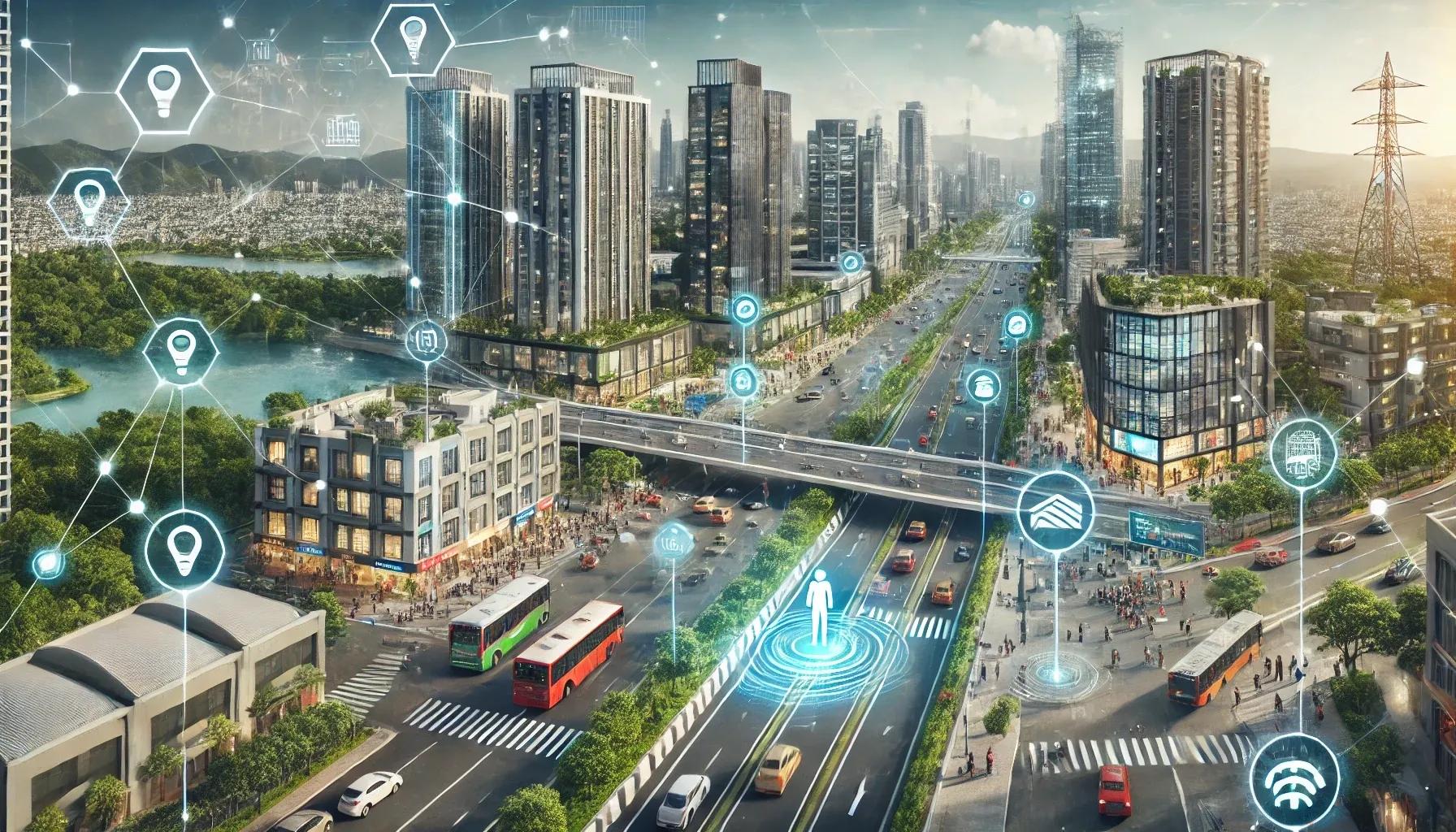
As urbanization accelerates globally, cities are becoming the epicenters of economic growth, innovation, and human development. To manage this rapid urban expansion and the challenges it brings, city planners and architects are turning to advanced technologies like Building Information Modeling (BIM) and smart city concepts. The integration of BIM with smart city initiatives promises to revolutionize urban planning, infrastructure development, and sustainability. This article delves into the role of BIM in smart cities, exploring how it contributes to the design and management of the urban landscapes of tomorrow.
Understanding BIM
Building Information Modeling (BIM) is a digital representation of the physical and functional characteristics of a facility. It serves as a shared knowledge resource for information about a facility, forming a reliable basis for decisions during its lifecycle, from conception to demolition. BIM encompasses geometry, spatial relationships, geographic information, quantities, and properties of building components.
Key Features of BIM
Data Integration : BIM integrates data from various sources, providing a comprehensive view of the building process. This integration includes architectural design, structural engineering, and building services.
Visualization : Through 3D modeling, BIM allows stakeholders to visualize the entire project before construction begins, facilitating better planning and coordination.
Collaboration : BIM fosters collaboration among all project stakeholders by providing a common platform for information sharing and communication.
Lifecycle Management : BIM supports the entire lifecycle of a building, from design and construction to operation and maintenance, enhancing efficiency and sustainability.
The Concept of Smart Cities
A smart city uses digital technologies to enhance performance, well-being, and reduce costs and resource consumption. Key technologies in smart cities include the Internet of Things (IoT), artificial intelligence (AI), and big data analytics. These technologies are deployed across various sectors such as transportation, energy, healthcare, and public services to improve urban living.
Key Components of Smart Cities
Connectivity : Smart cities rely on robust communication networks to connect various devices and systems.
Sensors and IoT : Sensors and IoT devices collect real-time data on various parameters such as traffic, air quality, and energy usage.
Data Analytics : Advanced analytics tools process the data collected, providing insights for decision-making.
Citizen Engagement : Smart cities prioritize citizen participation and feedback to tailor services to their needs.
The Intersection of BIM and Smart Cities
The integration of BIM and smart city technologies creates a powerful synergy that enhances urban planning and management. Here are some ways in which BIM contributes to the development of smart cities:
Enhanced Urban Planning
BIM's comprehensive data models enable detailed urban planning. By incorporating geographical information systems (GIS) data, BIM can provide a holistic view of urban environments, helping planners design more efficient and sustainable cities. For example, BIM can simulate the impact of new constructions on traffic flow, sunlight exposure, and energy consumption, enabling better planning decisions.
Infrastructure Management
Smart cities require efficient infrastructure management to ensure the seamless functioning of various services. BIM provides detailed information about infrastructure components, facilitating maintenance and management. For instance, BIM models can be used to monitor the health of bridges and tunnels, predicting maintenance needs and preventing failures.
Sustainable Development
Sustainability is a core objective of smart cities. BIM supports sustainable development by enabling the design of energy-efficient buildings and infrastructure. Through simulations and analysis, BIM helps optimize energy consumption, reduce carbon footprints, and enhance the use of renewable resources. Moreover, BIM's lifecycle approach ensures that sustainability is considered from the initial design phase to the operation and maintenance of buildings.
Emergency Response
In smart cities, emergency response systems must be quick and efficient. BIM can play a crucial role in disaster management by providing detailed building information to emergency responders. In the event of a fire or earthquake, BIM models can help responders understand the building layout, locate critical infrastructure, and plan evacuation routes, thereby saving lives and reducing damage.
Improved Collaboration
The success of smart city projects depends on effective collaboration among various stakeholders, including government agencies, private companies, and citizens. BIM fosters collaboration by providing a common platform for information sharing and communication. This collaborative approach ensures that all stakeholders are aligned, reducing conflicts and enhancing project outcomes.
Case Studies
Pune Smart City
Pune, one of India's rapidly growing urban centers, has embraced smart city initiatives with a focus on leveraging BIM and other advanced technologies to enhance urban management and citizen services. The Pune Smart City Development Corporation Limited (PSCDCL) has integrated BIM into its urban planning and infrastructure projects, enabling efficient resource management and improved public service delivery. One notable project is the Smart Water Management System, where BIM models are used to monitor and optimize the city's water distribution network, reducing losses and ensuring a reliable supply. Additionally, Pune has implemented a comprehensive traffic management system using BIM and IoT, which has significantly alleviated congestion and improved road safety. Through these initiatives, Pune is setting a benchmark for other Indian cities in utilizing BIM for smart city development, showcasing the potential for technology-driven urban transformation.
Singapore: A Smart Nation
Singapore is a pioneer in integrating BIM and smart city technologies. The country's Smart Nation initiative leverages BIM for urban planning, infrastructure management, and building construction. BIM models are integrated with GIS data to create a 3D digital twin of the city, enabling real-time monitoring and management of urban infrastructure. This integration has led to improved efficiency, reduced costs, and enhanced sustainability.
Barcelona: The City Protocol
Barcelona's City Protocol initiative aims to develop a common framework for smart city development. The city uses BIM to support urban planning and infrastructure management. By integrating BIM with IoT devices and data analytics, Barcelona has improved its energy management, waste management, and transportation systems. The initiative has resulted in significant cost savings and a better quality of life for citizens.
Challenges and Future Directions
Despite its potential, the integration of BIM and smart city technologies faces several challenges. These include:
Data Security and Privacy : The use of digital technologies in smart cities raises concerns about data security and privacy. Ensuring that sensitive information is protected is crucial.
Interoperability : Integrating BIM with other smart city technologies requires seamless interoperability between different systems and platforms. Developing common standards and protocols is essential.
Skill Development : The successful implementation of BIM and smart city projects requires a skilled workforce. Investing in education and training is necessary to build the required expertise.
Cost : The initial investment required for implementing BIM and smart city technologies can be high. However, the long-term benefits in terms of efficiency and sustainability outweigh the costs.
In conclusion, the integration of BIM and smart city technologies is transforming the way we design, build, and manage urban environments. By providing detailed information and facilitating collaboration, BIM enhances urban planning, infrastructure management, and sustainable development. As cities continue to grow and evolve, the synergy between BIM and smart city initiatives will play a crucial role in shaping the urban landscapes of tomorrow, creating smarter, more efficient, and more sustainable cities. The future of urban development lies in harnessing the power of these technologies to build cities that are not only intelligent but also resilient and inclusive.