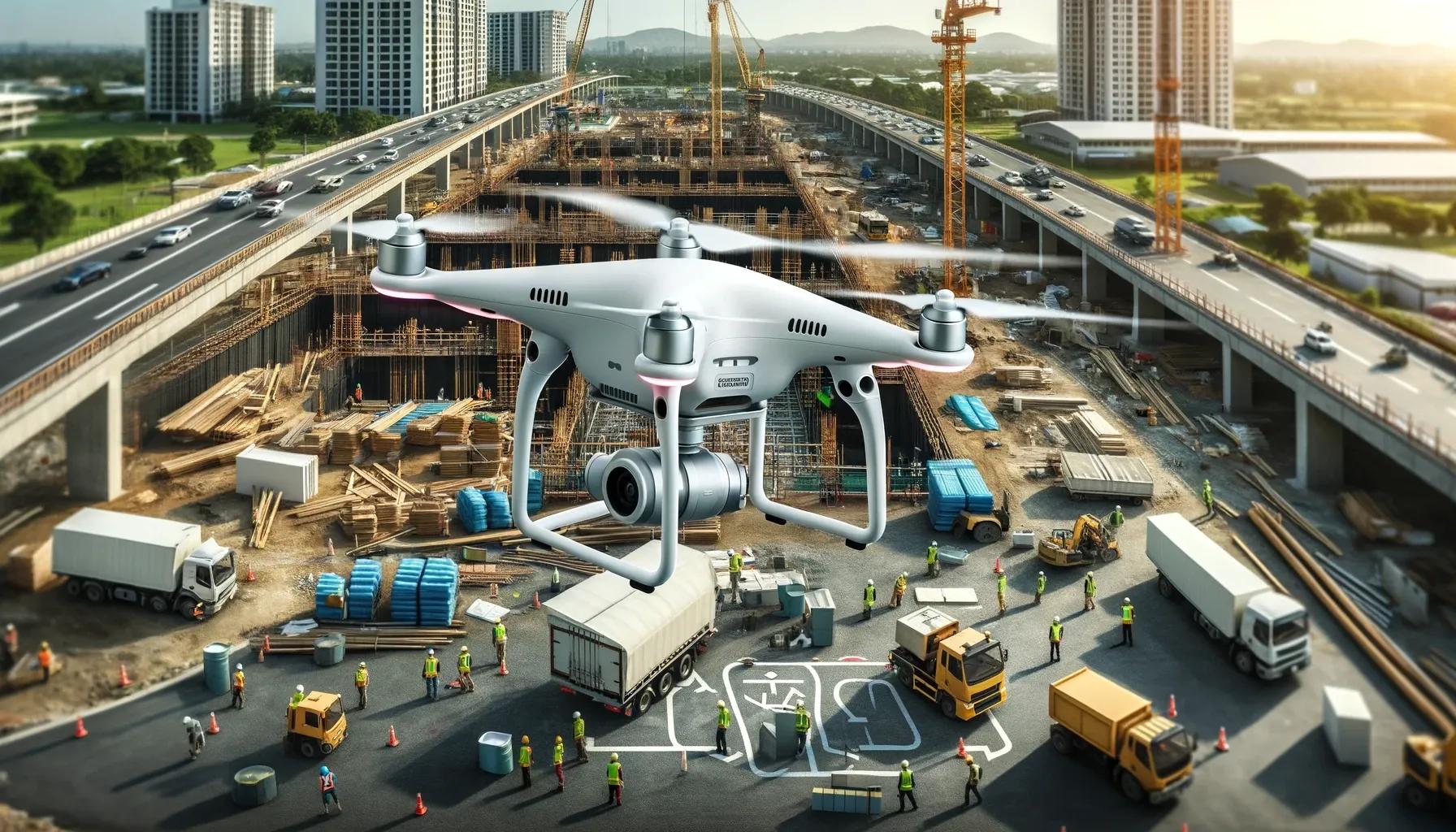
Unmanned Aerial Vehicles (UAVs), commonly known as drones, have revolutionized the construction industry by providing a versatile and efficient method for site surveying, monitoring, and inspection. Proper operation and management of UAVs are critical to maximizing their benefits while ensuring safety and regulatory compliance. This article outlines the best practices for UAV operation and management in construction sites, emphasizing technical considerations and operational protocols.
1. Regulatory Compliance and Certification
Before deploying UAVs on construction sites, it is imperative to comply with local, national, and international regulations. Operators must:
Obtain the necessary certifications from relevant aviation authorities, such as the Federal Aviation Administration (FAA) in the United States or the Directorate General of Civil Aviation (DGCA) in India.
Ensure that UAV pilots have valid Remote Pilot Certificates or equivalent licenses.
Register UAVs with the appropriate authorities and adhere to weight, altitude, and flight restrictions.
Stay updated with any changes in regulations and adjust operations accordingly.
2. Risk Assessment and Site Planning
Conducting a thorough risk assessment and site planning is essential for safe and efficient UAV operations. Key steps include:
Identifying potential hazards such as power lines, cranes, and other obstacles.
Establishing a flight plan that minimizes risks and maximizes coverage of the construction site.
Defining no-fly zones within the site to protect workers and sensitive areas.
Coordinating with site managers and other stakeholders to integrate UAV operations seamlessly into the construction schedule.
3. UAV Selection and Maintenance
Choosing the right UAV for specific tasks and maintaining it properly are crucial for optimal performance. Consider the following:
Select UAVs based on the required payload capacity, flight time, and environmental conditions (e.g., wind resistance).
Use UAVs equipped with high-resolution cameras and sensors for accurate data capture.
Implement a regular maintenance schedule to check for wear and tear, battery health, and firmware updates.
Keep detailed maintenance logs to track the condition of each UAV and preemptively address potential issues.
4. Data Management and Security
Efficient data management and security are vital for leveraging UAV-collected data. Best practices include:
Utilizing robust data storage solutions with adequate backup systems to prevent data loss.
Implementing secure data transmission protocols to protect sensitive information from cyber threats.
Using standardized data formats and processing workflows to ensure compatibility and ease of analysis.
Training personnel on data management best practices and the importance of data security.
5. Flight Operations and Safety Protocols
Ensuring safe flight operations requires adherence to established protocols and best practices:
Perform pre-flight checks to verify UAV readiness, including battery levels, sensor functionality, and GPS accuracy.
Maintain clear communication channels between UAV operators and ground personnel.
Use geofencing technology to prevent UAVs from entering restricted areas.
Adhere to visual line-of-sight (VLOS) requirements to maintain control over the UAV at all times.
Implement emergency procedures for scenarios such as signal loss or UAV malfunction.
6. Training and Continuous Improvement
Investing in training and continuous improvement is essential for successful UAV integration into construction workflows. Recommendations include:
Providing comprehensive training programs for UAV operators, covering both technical skills and safety protocols.
Encouraging continuous education and certification updates to keep up with technological advancements and regulatory changes.
Conducting regular performance reviews and debriefings after UAV missions to identify areas for improvement.
Fostering a culture of innovation and openness to new UAV applications and techniques.
7. Integration with Other Technologies
Maximizing the potential of UAVs involves integrating them with other construction technologies:
Combine UAV data with Building Information Modeling (BIM) to enhance project planning, design, and management.
Use UAVs in conjunction with Geographic Information Systems (GIS) for precise mapping and analysis.
Integrate UAV-collected data with construction management software to streamline workflow and improve decision-making.
Explore the use of UAVs for automated site monitoring and real-time progress tracking through IoT and AI technologies.
8. Environmental Considerations
UAV operations must account for environmental impacts and sustainability:
Minimize noise pollution by choosing quieter UAV models and limiting flight times.
Avoid disturbing local wildlife and natural habitats by planning flight paths carefully.
Promote the use of electric UAVs to reduce carbon emissions compared to traditional fuel-based machinery.
Implement eco-friendly disposal methods for UAV batteries and components.
9. Stakeholder Communication and Collaboration
Effective communication and collaboration with stakeholders are crucial for successful UAV operations:
Regularly update project stakeholders on UAV activities, findings, and benefits.
Collaborate with regulatory bodies, industry groups, and research institutions to stay informed about best practices and emerging trends.
Engage with the local community to address any concerns regarding UAV operations and demonstrate the value they bring to the project.
In conclusion, UAVs offer transformative capabilities for the construction industry, enhancing efficiency, accuracy, and safety. However, realizing their full potential requires diligent adherence to best practices in operation and management. By prioritizing regulatory compliance, risk assessment, data security, and continuous improvement, construction firms can harness the power of UAVs to drive innovation and achieve superior project outcomes. Through thoughtful integration with other technologies and a commitment to sustainability and stakeholder engagement, UAVs will continue to play a pivotal role in the future of construction.