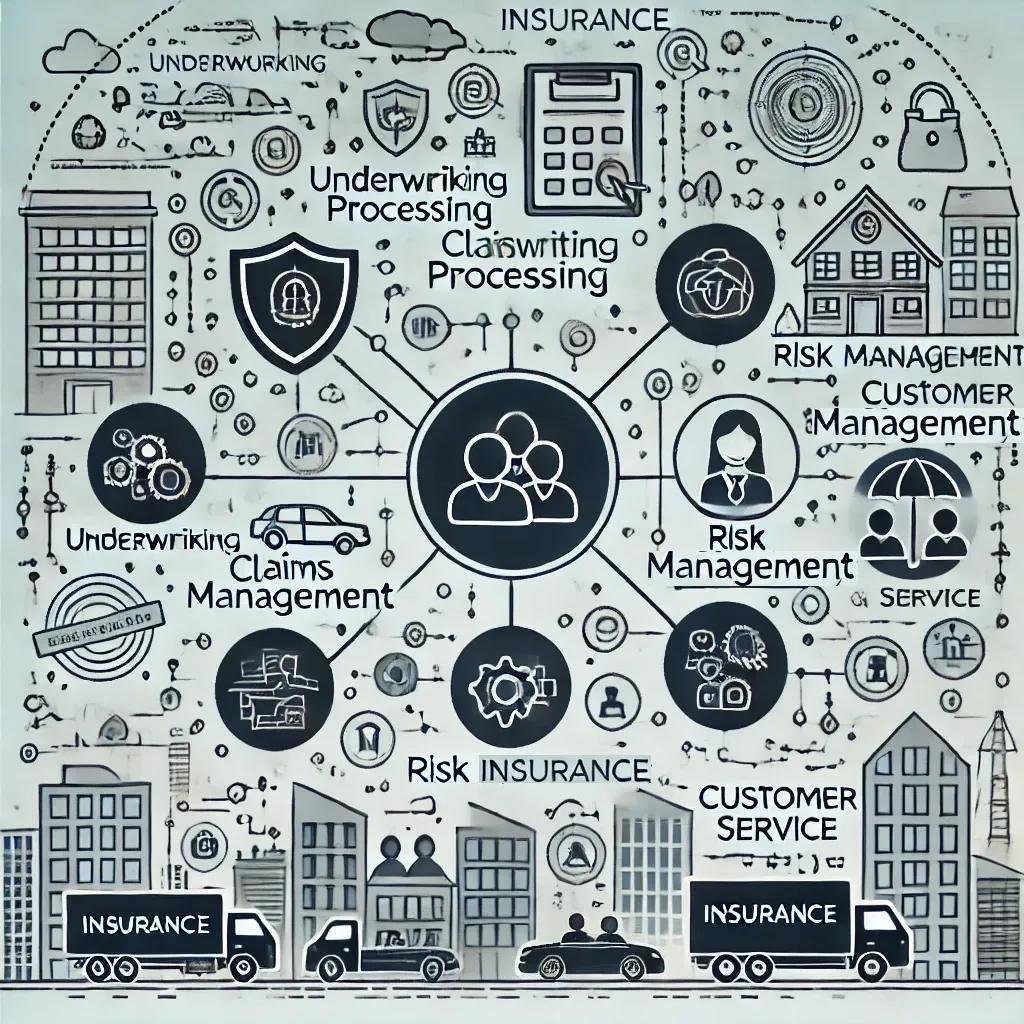
The insurance industry is undergoing a significant transformation with the integration of digital twin technologies. By shifting from reactive to proactive strategies, insurers are poised to enhance decision-making across various business areas including underwriting, claims processing, risk management, finance and accounting, and customer service functions. This article explores the manifold ways digital twins can add value to insurance operations and drive business outcomes.
Adding Value to Insurance Operations
Digital twins, virtual replicas of physical entities, offer a unique opportunity to increase process efficiency and operational effectiveness in the insurance sector. Here’s how:
1. Analyzing Claims Assessment and Compensation Lead Times
Digital twins enable insurers to simulate various operating conditions, allowing for a thorough analysis of claims assessment and compensation lead times. By identifying possible non-compliance with regulations, insurers can make informed decisions to ensure adherence to industry standards. This simulation capability helps in preemptively addressing issues before they escalate into significant compliance problems.
2. Simulating Damage Conditions and Reproducing Loss Events
One of the most compelling applications of digital twins in insurance is the ability to simulate damage conditions and reproduce loss events. This capability facilitates more accurate loss estimation and enhances fraud detection. By creating a virtual environment that mimics real-world scenarios, insurers can investigate claims with greater precision, leading to fairer and more accurate compensation decisions.
3. Identifying Strengths and Weaknesses
Digital twins provide a comprehensive view of an insurer's operations, helping to identify strengths and weaknesses, including capacity limitations, bottlenecks, critical points of failure, and interdependencies. This holistic view allows insurers to optimize their processes, mitigate risks, and improve overall operational resilience.
4. Providing Data and Insights for Decision-Making
The data and insights generated by digital twins are invaluable for supporting decision-making. By leveraging real-time data and advanced analytics, insurers can make informed decisions that enhance business performance. This data-driven approach ensures that all actions are based on accurate and up-to-date information, leading to better outcomes.
5. Measuring the Impact of Potential Changes
Before implementing changes in a living environment, digital twins allow insurers to measure the impact of potential changes. This predictive capability ensures that any modifications to processes or systems are thoroughly vetted, reducing the risk of unintended consequences. It also provides a safe space for testing new strategies and innovations.
6. Highlighting Opportunities for Continuous Improvement
Continuous improvement is a cornerstone of operational excellence. Digital twins highlight opportunities for process optimization, helping insurers to continually refine their operations. By identifying areas for improvement, insurers can implement changes that drive efficiency and effectiveness.
7. Creating and Testing Alternative Flows
Digital twins enable insurers to create and test alternative workflows and outcomes. This flexibility allows insurers to explore various scenarios and choose the one that delivers optimum value. By experimenting with different approaches, insurers can find the most effective solutions to complex problems.
8. Measuring Real Change Outcomes
Continuous business mining with digital twins allows insurers to measure the real outcomes of changes. By tracking the performance of new strategies and processes, insurers can ensure that they are achieving the desired results. This ongoing evaluation is crucial for maintaining high standards of performance and adapting to changing conditions.
9. Monitoring Return on Investment
Finally, digital twins provide a robust framework for monitoring return on investment (ROI). By tracking the financial impact of new initiatives and improvements, insurers can ensure that they are getting the best possible value from their investments. This focus on ROI helps insurers to prioritize projects that deliver the greatest benefits.
Opportunities to Drive Business Outcomes
Leveraging digital twins can help insurers identify and implement best practices that deliver enhanced business outcomes. This includes the design of transformation roadmaps and opportunities to improve visibility, efficiency, and working capital. Here’s how digital twins can drive business outcomes in specific areas:
Streamlining the Underwriting Process
Digital twins can significantly streamline the underwriting process by providing a detailed analysis of risks and helping underwriters to make more accurate and informed decisions. This leads to faster processing times and improved customer satisfaction.
Reshaping Claims Processing
By simulating loss events and damage conditions, digital twins reshape claims processing, making it more efficient and accurate. This not only speeds up the resolution of claims but also ensures fairness and transparency.
Enhancing Customer Service
Digital twins can enhance customer service by providing real-time insights and data that enable insurers to respond quickly and effectively to customer inquiries. This improves customer engagement and satisfaction.
Improving Regulatory Compliance
With the ability to simulate different scenarios and analyze their impact, digital twins help insurers to ensure regulatory compliance. This proactive approach to compliance reduces the risk of fines and other penalties, protecting the insurer’s reputation and bottom line.
In conclusion, the integration of digital twin technologies into insurance operations represents a significant step forward for the industry. By enabling insurers to move from reactive to proactive strategies, digital twins improve decision-making across various business areas, driving increased efficiency, personalization, and customer engagement. As insurers continue to explore and implement digital twin technologies, they will unlock new opportunities for enhancing business outcomes and delivering greater value to their customers.
For more insights, you can explore the full summary here: https://www.capgemini.com/insights/expert-perspectives/leveraging-digital-twins-to-transform-insurance-operations/