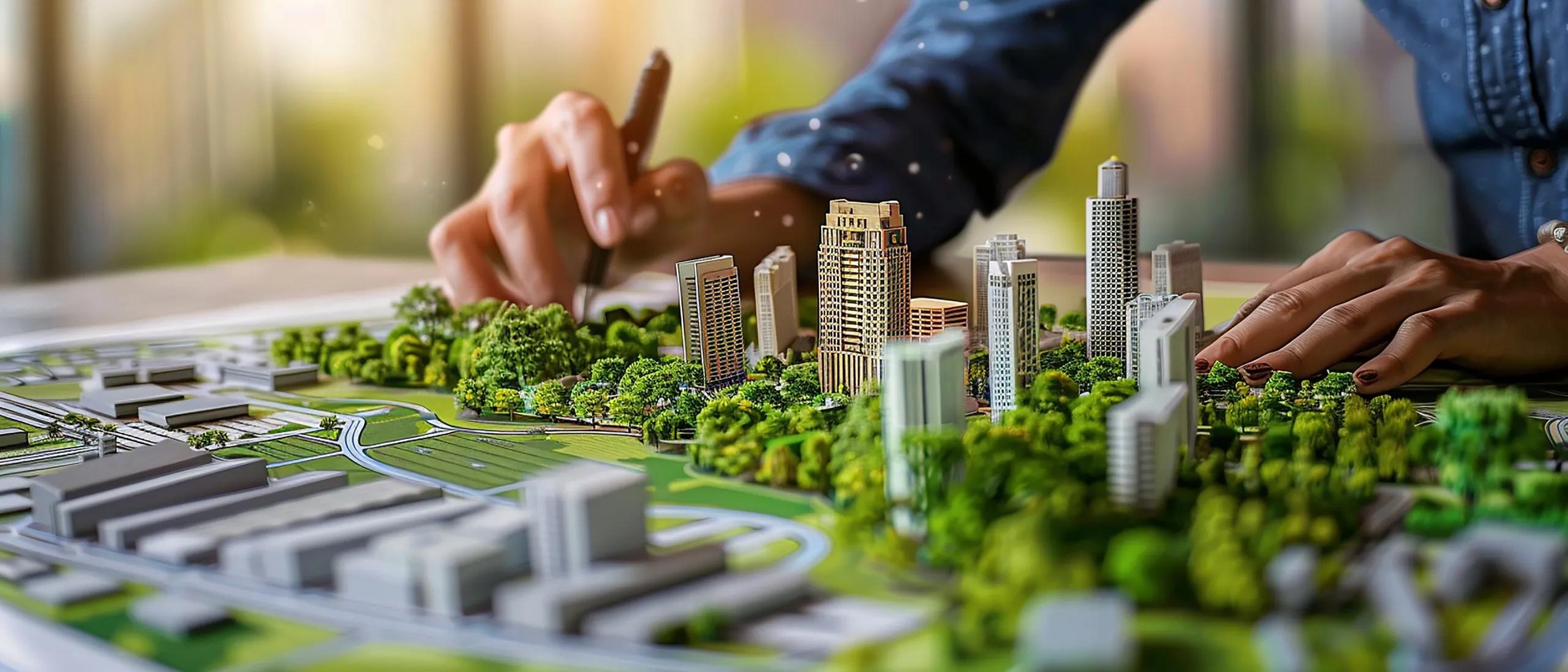
In the era of rapid urbanization, digital twin technology, empowered by artificial intelligence (AI), is transforming the landscape of urban planning, infrastructure, and construction. By bridging the physical and digital worlds, AI-powered digital twins provide dynamic, data-rich representations of urban environments, offering real-time insights to planners, engineers, and policymakers. These virtual replicas, driven by AI algorithms, enable better decision-making, efficient resource utilization, and enhanced sustainability in urban environments. This article delves into how AI-driven digital twins are used in geospatial applications to create smarter, more resilient cities and infrastructure.
Understanding AI-Powered Digital Twins
Digital twins are digital replicas of physical objects, processes, or systems, continuously updated with real-time data from their physical counterparts. AI enhances these digital twins by enabling them to predict, learn, and adapt to changing conditions based on data insights. When applied to urban planning and development, AI-powered digital twins offer valuable insights into various factors affecting cities, such as transportation networks, energy consumption, air quality, and population density. Through continuous monitoring and predictive analysis, these digital twins provide a detailed view of city operations, offering predictive insights that support efficient urban development and management.
The Role of AI in Geospatial Digital Twins for Urban Planning
AI-powered digital twins are particularly beneficial in geospatial applications, where they provide comprehensive, multi-layered analyses of urban environments. Here’s how AI enhances the functionality of geospatial digital twins:
Predictive Modeling and Simulation : AI allows digital twins to predict and simulate different urban development scenarios. For instance, urban planners can evaluate the impact of a new residential area on traffic flow or energy demand. AI models analyze historical data, population trends, and land use patterns to simulate future conditions, aiding planners in making informed decisions.
Real-Time Data Integration : By incorporating AI, digital twins can integrate real-time data from various sources such as IoT devices, satellite imagery, and weather forecasts. In smart cities, real-time data integration helps in monitoring critical infrastructure, such as roads, bridges, and utilities. It also enables rapid response to incidents, such as traffic congestion or power outages, improving overall urban resilience.
Automated Analysis and Insights : AI algorithms can autonomously analyze data collected by digital twins, identifying patterns and generating actionable insights. For example, machine learning algorithms can detect inefficiencies in energy use across city buildings, recommending optimizations to reduce emissions. In this way, AI-driven insights contribute to more sustainable urban planning practices.
Enhanced Visualization through Geospatial Data : Geospatial data plays a crucial role in urban planning, providing spatial context to digital twin simulations. AI enables more advanced data processing, creating 3D models and visualizations that provide planners with a realistic view of infrastructure projects. AI algorithms can also simulate the impact of urban developments on the surrounding environment, supporting sustainable and contextually aware planning.
Applications of AI-Powered Digital Twins in Urban Planning and Development
AI-powered digital twins are being implemented across various aspects of urban planning and development. Here are some key applications:
1. Smart City Infrastructure and Management
In smart cities, AI-powered digital twins enable real-time management of infrastructure. They integrate data from multiple sources, including sensors, cameras, and GPS devices, providing insights that improve urban services. For instance, a digital twin of a city’s transportation system can monitor traffic patterns, predict congestion, and suggest alternate routes. AI algorithms analyze historical and real-time data to optimize public transit schedules, minimize delays, and enhance commuter experience.
Moreover, digital twins can monitor environmental factors such as air quality and noise levels, enabling city authorities to address pollution hotspots. With real-time data on environmental conditions, urban planners can develop strategies to improve urban livability and promote sustainability.
2. Infrastructure Maintenance and Asset Management
AI-powered digital twins are invaluable for infrastructure maintenance. By continuously monitoring the condition of infrastructure, such as bridges, roads, and tunnels, digital twins help identify maintenance needs before issues escalate. Machine learning algorithms analyze structural health data, detecting signs of wear and predicting when repairs are required. This predictive maintenance approach reduces downtime and maintenance costs, extending the lifespan of infrastructure assets.
For example, in construction projects, AI-driven digital twins can track the progress of building developments, comparing real-time data against design plans to identify deviations. By addressing issues early, project managers can ensure that construction stays on schedule and within budget, minimizing rework and project delays.
3. Urban Planning and Zoning Optimization
AI-powered digital twins assist urban planners in evaluating zoning and land-use options. By simulating the impact of different zoning decisions, digital twins help planners optimize land use for housing, commercial spaces, and green areas. AI algorithms can analyze various factors, such as population growth, economic trends, and environmental considerations, providing insights into the best zoning strategies.
Furthermore, digital twins can simulate natural disaster scenarios, such as floods or earthquakes, allowing planners to assess the resilience of different urban layouts. This helps cities design more robust infrastructure and allocate resources to vulnerable areas, enhancing disaster preparedness.
4. Environmental Monitoring and Sustainability
Digital twins are integral to monitoring and improving urban sustainability. AI-driven digital twins analyze data on energy consumption, waste production, and water usage, helping cities reduce their environmental footprint. In smart buildings, AI algorithms optimize heating, cooling, and lighting systems, minimizing energy consumption and reducing greenhouse gas emissions.
In addition to buildings, AI-powered digital twins can monitor city-wide resources. For instance, a digital twin of a city’s water supply system can track water quality and detect leaks, ensuring efficient water management. By promoting resource efficiency, digital twins contribute to creating more sustainable urban environments.
5. Construction Project Management and Safety
AI-powered digital twins are transforming construction project management by enhancing visibility and safety. In construction projects, digital twins provide real-time tracking of progress, from foundation laying to final inspection. AI algorithms detect potential risks, such as safety hazards or material shortages, allowing project managers to take proactive measures.
Moreover, digital twins can simulate various construction phases, identifying potential bottlenecks and optimizing workflows. For example, by analyzing past construction data, AI algorithms can recommend the most efficient scheduling and resource allocation strategies, ensuring smooth project execution.
Challenges and Considerations for AI-Powered Digital Twins
While AI-powered digital twins hold great potential for urban planning, they also come with challenges that need to be addressed:
Data Privacy and Security : As digital twins rely on real-time data from various sources, ensuring data privacy and security is crucial. AI algorithms must be designed to handle sensitive information responsibly, protecting data from unauthorized access.
Integration of Diverse Data Sources : AI-powered digital twins require data from multiple sources, which may vary in format and quality. Ensuring seamless data integration can be complex, requiring advanced data management techniques.
High Computational Requirements : AI algorithms for digital twins require significant computational power, especially when processing large volumes of data in real time. Cities must invest in robust infrastructure to support these computational demands.
Ethical and Social Implications : The use of AI in urban planning raises ethical questions, such as algorithmic bias and transparency. Planners must consider the social impact of AI-driven decisions, ensuring that digital twins serve the best interests of all residents.
Future Prospects of AI-Powered Digital Twins in Urban Development
The future of urban planning is closely tied to the evolution of AI-powered digital twins. As AI algorithms become more sophisticated, digital twins will offer even more accurate predictions and insights. Upcoming trends include the integration of augmented reality (AR) and virtual reality (VR) with digital twins, enabling planners and stakeholders to experience virtual walkthroughs of proposed developments. Additionally, as cities invest in 5G and IoT infrastructure, digital twins will become increasingly interconnected, providing a comprehensive view of city operations.
AI-powered digital twins are poised to become a cornerstone of sustainable, data-driven urban planning. By enhancing the ability to visualize, analyze, and predict urban dynamics, they empower cities to build resilient, adaptable, and people-centered environments. As more cities adopt this technology, the vision of smart, sustainable urban spaces will continue to materialize, transforming urban living for generations to come.
In summary, AI-powered digital twins represent a transformative tool in urban planning, supporting smarter cities, optimized infrastructure, and sustainable development. As cities navigate the challenges and opportunities of the 21st century, digital twin technology will undoubtedly play an essential role in shaping the future of urban landscapes.