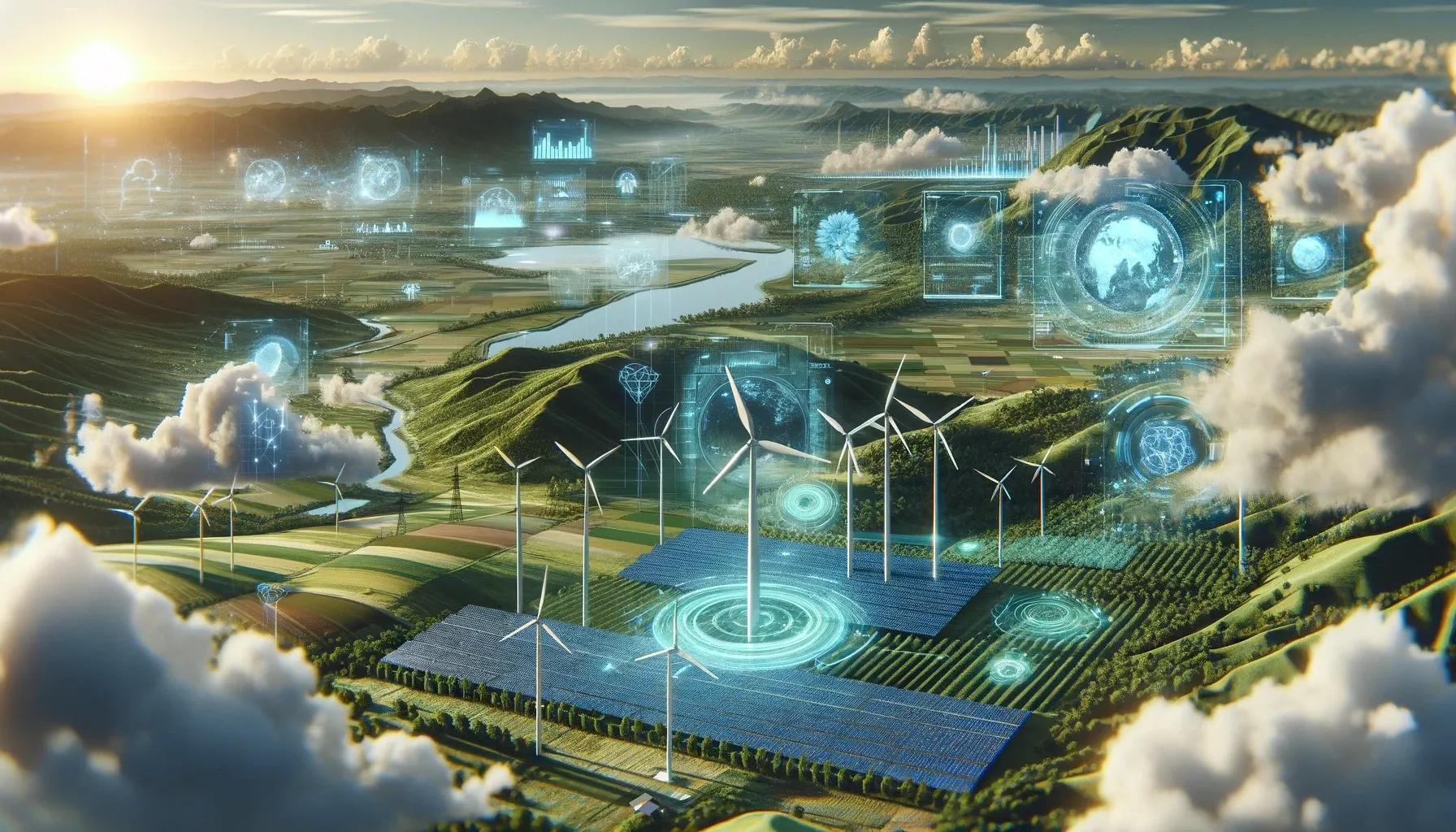
The integration of Artificial Intelligence (AI) with geospatial technology is revolutionizing the landscape of renewable energy planning. This symbiosis offers unprecedented precision and efficiency in identifying potential sites for renewable energy projects, predicting energy yields, and managing resources. This article delves into how AI and geospatial insights are collectively forging a path towards a more sustainable and energy-efficient future.
The Convergence of AI and Geospatial Technology in Renewable Energy
Harnessing Data for Optimal Site Selection
The primary step in renewable energy projects is identifying suitable locations. AI algorithms, fed with geospatial data, can analyze vast and diverse datasets, including topography, land use, weather patterns, and proximity to infrastructure. This capability enables the identification of the most viable sites for solar farms, wind turbines, and other renewable energy installations, optimizing land use and minimizing environmental impact.
Predictive Analytics for Energy Yield
AI's predictive analytics plays a crucial role in forecasting energy yields. By processing historical weather data and real-time satellite imagery, AI models can predict solar irradiance and wind patterns, essential for calculating potential energy production. This information aids in designing more efficient renewable energy systems and in making informed decisions about where and how to deploy them.
Enhancing Resource Management
AI and geospatial technologies offer advanced resource management solutions. Through real-time monitoring of renewable energy installations, AI algorithms can detect inefficiencies, predict maintenance needs, and suggest optimizations. This proactive approach reduces downtime and increases the lifespan and efficiency of renewable energy assets.
Environmental Impact Assessments
AI-driven geospatial analysis is instrumental in conducting comprehensive environmental impact assessments. By analyzing land cover changes, wildlife migration patterns, and ecological data, these technologies ensure that renewable energy projects are environmentally sustainable and comply with regulatory standards.
Case Studies: Success Stories in Renewable Energy
Several successful applications of AI and geospatial technology in renewable energy planning underscore their potential:
Solar Energy Optimization : AI algorithms in desert regions use satellite imagery to identify areas with the highest solar potential, taking into account factors like land slope, sun exposure, and shadowing effects.
Wind Farm Efficiency : AI models process historical wind data and topographical maps to determine the optimal placement of wind turbines, maximizing energy capture while minimizing land use.
Hydroelectric Power Planning : AI and geospatial insights assess river flow patterns and topography to identify potential sites for mini-hydroelectric plants, balancing energy production with ecological considerations.
Challenges and Future Directions
Despite the promising advancements, there are challenges to overcome:
Data Quality and Availability : The effectiveness of AI in renewable energy planning depends heavily on the quality and availability of geospatial data. Ensuring access to accurate and comprehensive datasets is crucial.
Integration with Existing Infrastructure : Seamlessly integrating AI and geospatial technologies with existing energy infrastructures and regulatory frameworks remains a challenge.
Scalability and Accessibility : Scaling these technologies to be accessible and affordable for smaller or developing regions is essential for widespread adoption.
Looking ahead, the future of AI and geospatial technology in renewable energy planning includes:
Advanced Machine Learning Models : The development of more sophisticated AI models that can better handle complex datasets and provide more accurate predictions.
Increased Automation : Greater automation in the monitoring and management of renewable energy resources, leading to more efficient and self-sustaining systems.
Collaborative Efforts : Enhanced collaboration between governments, private sectors, and research institutions to foster innovation and standardize practices in this field.
To conclude, the amalgamation of AI and geospatial insights is a game-changer in renewable energy planning. This technology duo not only enhances the efficiency and effectiveness of renewable energy projects but also plays a pivotal role in ensuring their environmental sustainability. As we advance, the continuous evolution and refinement of these technologies will be paramount in addressing the challenges of renewable energy planning and in steering the world towards a more sustainable and energy-secure future.